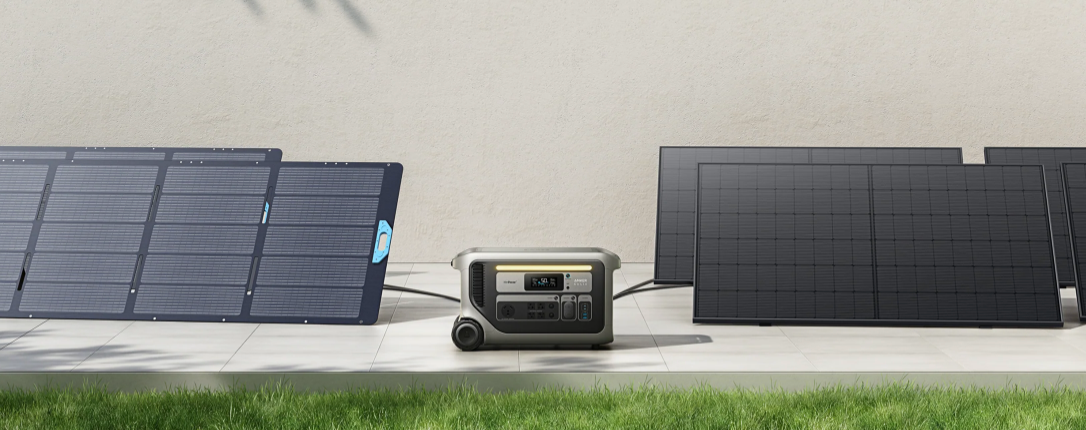
Solar power generators are becoming an essential tool for outdoor enthusiasts, RV travelers, and homeowners looking for a reliable backup energy source. Choosing the right generator isn’t just about portability or price; understanding wattage and output is crucial to ensure your devices and appliances run safely and efficiently. Wattage indicates the generator’s ability to produce electricity, while output types determine which devices can be powered. Many users make the mistake of assuming all generators can run everything, leading to underperformance or device damage. This guide will help you understand key concepts like rated wattage, peak power, continuous output, and port types. You’ll also learn how to match your energy needs with generator specifications for different scenarios, from charging small electronics to running household appliances. By the end, you’ll have a clear understanding of how to choose a solar generator that fits your lifestyle, whether it’s for weekend camping, full-time RV living, or emergency home backup.
What Does Wattage Mean in a Solar Power Generator?
Wattage is the measure of electrical power a solar generator can provide. Understanding it is essential because it tells you which devices your generator can handle without overloading.
Rated Wattage vs Peak Wattage Explained
Rated wattage, sometimes called continuous wattage, represents the amount of power a generator can provide steadily over time. For example, a generator rated at 500 watts can power devices that collectively draw up to 500 watts continuously. Peak wattage, on the other hand, is the maximum power the generator can supply for a short burst, usually to start motors in appliances like refrigerators or pumps. Knowing both values helps prevent overloading and ensures your devices start without issues.
Continuous Output and Surge Power Basics
Continuous output is the steady stream of power available for daily use. Surge power or surge output is short-term extra power, typically lasting a few seconds, used to start appliances with high initial demands. When selecting a generator, compare the continuous and surge wattage with your device requirements. If a device requires more than the generator’s peak wattage, it may not start or could damage the generator. Understanding these concepts allows you to pick the right generator size, ensuring safety and reliability during use.
How Much Wattage Do You Really Need?
Choosing the right wattage depends on what you plan to power. Calculating total power consumption is the first step.
Powering Small Devices and Electronics
Small electronics like smartphones, tablets, laptops, and LED lights require relatively low power, usually under 100 watts each. For multiple devices, add their wattage together to estimate total demand. A generator with 300–500 watts continuous output can typically handle these items without issue. Portable solar generators excel at keeping your gadgets charged during outdoor adventures or short-term power outages.
Running Appliances and High-Wattage Equipment
Larger appliances such as mini-fridges, microwaves, power tools, or CPAP machines need much higher wattage. Some items require surge power well above their normal operating wattage. For example, a refrigerator might draw 600 watts to run continuously but need 1200 watts to start. To power multiple high-demand appliances, choose a generator with higher continuous and peak wattage, typically 1000–2000 watts or more. Always calculate your total wattage requirement to prevent overload and avoid potential damage.
Understanding Output Types and Power Ports
Solar generators provide various output types to suit different devices. Choosing the right output ensures compatibility and efficiency.
AC Output, DC Output, and USB Ports
Most generators feature AC outlets for standard household appliances. DC outputs, including car ports or barrel connectors, are useful for powering lights or small electronics directly. USB ports are convenient for charging phones, cameras, and tablets without adapters. Some generators offer fast-charging USB-C ports capable of high-wattage output for laptops or modern devices. Knowing which port your devices require prevents unnecessary adapters and ensures efficient charging.
Inverter Type and Output Stability
The inverter converts stored DC power from solar panels or batteries into usable AC power. Pure sine wave inverters produce clean electricity, safe for sensitive electronics. Modified sine wave inverters are less expensive but may cause humming or inefficiency in certain devices. For sensitive appliances like medical equipment or laptops, a pure sine wave output is recommended. Checking the inverter type and output stability helps maintain device longevity and ensures the generator can handle high-demand loads safely.
How to Match Wattage with Real-World Use Scenarios
Matching generator wattage with your specific needs ensures you get the most reliable performance.
Outdoor, Camping, and Emergency Backup Needs
For camping or outdoor use, a generator between 300–600 watts can power small devices, LED lights, and portable fridges. For short-term emergency backup, generators with 500–1000 watts can handle essential appliances like sump pumps, communication devices, and small kitchen equipment. Consider your typical daily consumption and whether you need extra surge power for certain devices. Smaller, lighter generators offer portability, while larger models provide flexibility for multiple devices.
Home Backup, RV, and Off-Grid Applications
For full-time RV or off-grid living, higher wattage generators—1000–2000 watts or more—are often required to run multiple appliances simultaneously. This includes fridges, TVs, microwaves, and power tools. Calculate the combined continuous wattage of all devices you plan to run at once. Peak wattage should also be considered for appliances with high startup demands. In these scenarios, selecting a generator with multiple AC and DC ports, as well as a reliable inverter, ensures consistent and safe power delivery. Proper planning helps avoid interruptions and maximizes generator efficiency.
Conclusion
Understanding wattage and output is essential for choosing the right portable solar power generator. Rated wattage, peak power, continuous output, and port types all influence how well a generator can meet your energy needs. Small electronics, larger appliances, and sensitive equipment all have different power requirements, so knowing your total consumption is critical. By matching your generator’s specifications with your real-world use, you can ensure reliable performance for outdoor adventures, RV life, or emergency home backup. Consider inverter type and output stability for sensitive electronics, and always plan for both continuous and surge power needs. A well-chosen solar generator not only provides energy when and where you need it but also prolongs the life of your devices and ensures safety. With the right knowledge, you can select a generator that fits your lifestyle, providing a flexible and sustainable power solution for any scenario.