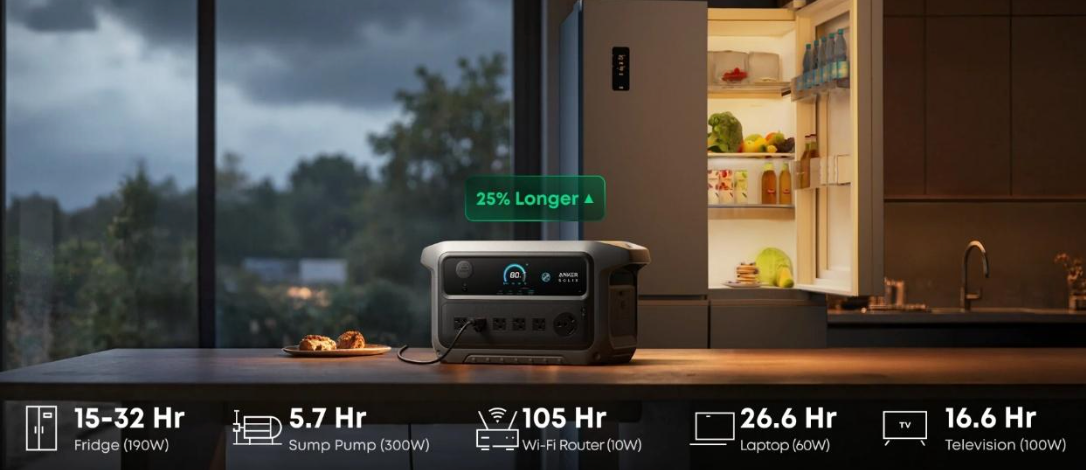
When the grid fails or outlets are inaccessible, portable power stations supply backup electricity for necessary household appliances. These battery-operated devices use DC carports, USB connections, and AC outlets to deliver quiet, clean electricity. They don’t require fuel or a difficult setup, and they are safe to use indoors. These stations provide energy where and when it’s needed most, whether you’re working remotely, dealing with a blackout, or just require flexible power between rooms. A well-sized station can support your home’s needs, from entertainment systems and medical equipment to kitchenware and lights. You can utilize them more efficiently if you know what they can help with.
What Home Essentials Can a Portable Power Station Power?
Powering Lighting, Communication, and Safety Devices
During power outages, lighting and communication devices are major considerations, and portable power stations make it easy for them to function. LED bulbs, flashlights, night lights, and emergency beacons have minimal power, allowing them to function for hours on even modest stations. Smartphones, radios, routers, and cordless phones are powered by USB or AC connectors, allowing them to stay connected and updated during an emergency. When the power goes out, security systems, baby monitors, and motion sensors continue to function properly, increasing safety. These necessities need little electricity yet provide important assistance. Keeping them online guarantees visibility, communication, and protection—all of which are critical during storms, blackouts, and other disturbances to home electricity.
Running Kitchen and Small Household Appliances
Many portable power stations can power modest kitchen equipment, allowing you to store food and create basic meals during outages. A 500-1000Wh unit can power a compact fridge, blender, coffee machine, rice cooker, and electric kettle—but not all at once. Microwaves and toaster ovens may require higher output ratings. Small dishwashers and air fryers often outperform most mid-size stations, although compact induction cooktops or slow cookers may be achievable with proper application. Always verify the wattage before connecting. Outside the kitchen, consumers briefly use electric razors, hair dryers (on a low level), and vacuum cleaners. With good planning, power plants can sustain regular operations without exceeding their capacity.
Supporting Medical and Health-Related Devices at Home
Individuals with health issues may require power continuity. When the main power goes out, portable power stations can power medical devices such as CPAP machines, oxygen concentrators, nebulizers, and electric hospital beds. Many of these devices consume less than 100W per hour, making them suitable for mid-sized power plants, particularly during overnight operation. Blood pressure monitors, thermometers, and electric toothbrushes may all be securely charged. When choosing a station for a medical application, look for pure sine wave inverters and a lengthy runtime. Solar panels can improve charging flexibility. A well-matched arrangement ensures that medical equipment operates reliably, minimizing stress and increasing treatment during scheduled or unplanned power outages.
How Do Portable Power Stations Support Daily Home Activities?
Keeping Work, Study, and Entertainment Running
When the electricity goes out, portable power stations keep household routines running smoothly. Laptops, displays, modems, and printers are used by distant workers and students. USB-C connectors that support Power Delivery power tablets and smartphones rapidly. For amusement, power stations can power smart TVs, gaming consoles, speakers, and projectors for several hours, depending on capacity. This ensures that learning and productivity continue even during outages or mobile settings. Parents can use them to supplement their children’s online education or recreational gadgets. They may be used in bedrooms or offices without disturbing others because they operate quietly and emit no smells. This power flexibility contributes to the maintenance of normality across a wide range of domestic activities.
Maintaining Comfort With Climate and Air Devices
Larger portable power stations can power comfort equipment such as fans, low-wattage space heaters, heated blankets, and portable air conditioners. Smaller equipment, such as humidifiers, dehumidifiers, air purifiers, and essential oil diffusers, also functions well with mid-sized units. These devices improve indoor air quality, adjust temperature, and provide a pleasant atmosphere during power outages or when outlets are unavailable. Because climatic devices frequently operate for extended periods of time, selecting a power station with a large capacity and output is critical. Many people switch between gadgets to conserve power. A smart arrangement guarantees air comfort, better sleep, and healthier indoor conditions throughout the day and night.
Charging Multiple Personal and Smart Home Devices
Portable power stations can charge numerous tiny gadgets simultaneously, such as phones, tablets, laptops, wearables, and wireless headphones. Stations with several USB-A, USB-C, and AC connections enable families to stay connected and charged up without crowding a single outlet. When linked, smart home devices such as voice assistants, security cameras, and sensors perform properly. Charging periods are quick and safe, especially on contemporary models with overcharge prevention and clever voltage management. These devices use relatively little energy, allowing even tiny stations to handle multiples at once. This capacity maintains smart homes and personal gadgets fully operational for everyday power requirements or disaster preparedness.
How Can You Match Home Devices to the Right Power Station?
Make a list of the devices you want to use, noting their wattage and anticipated duration, in order to select the best portable power station. To estimate watt-hour demands, multiply watts by hours. A 60W laptop, for instance, requires 300Wh after five hours of use. To get the overall daily demand, add the estimations for each device. To provide a safe margin and take inverter loss into consideration, select a station with at least 20–30% additional capacity. Verify that the station’s output, both continuous and surge, satisfies the needs of your equipment. Choose versions with solar recharge possibilities and pure sine wave inverters if you intend to operate medical equipment or several appliances. Your station will operate safely, effectively, and reliably at home if the specifications are in line with practical requirements.
Conclusion
A portable power station can power many essential devices at home, from lights and routers to fridges and medical equipment. With the appropriate capacity and output, these devices can support everyday routines, distant operations, and emergencies without generating noise or requiring fuel. Users may select a model that best suits their lifestyle by learning what they can run and how to calculate power requirements. Portable power stations provide clean, flexible energy where it is most required, whether as backup, convenience, or comfort. They give peace of mind and practical support, making them an excellent choice for families that want to be prepared, energized, and connected at all times.