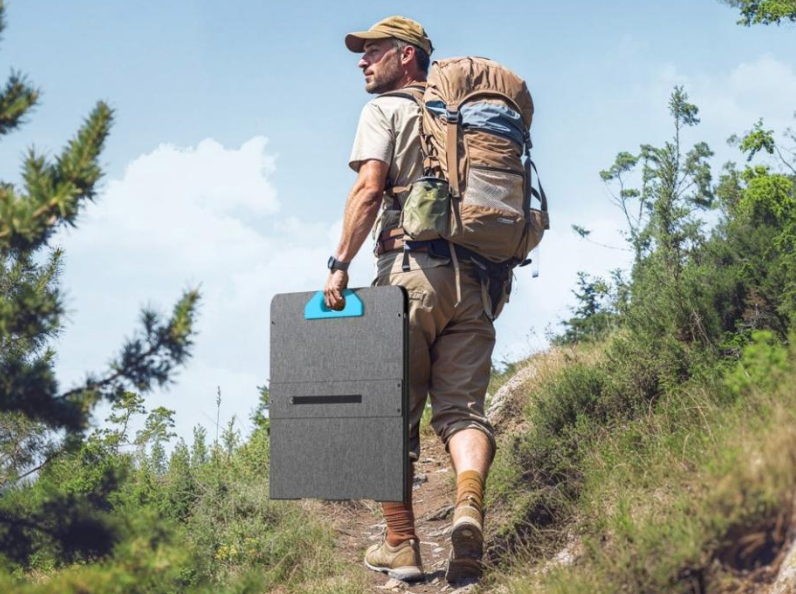
Camping enthusiasts constantly seek ways to power their adventures without sacrificing nature’s tranquility. Portable solar panels might be a solution. With the rise of eco-friendly tech, they promise to keep your gadgets running while you enjoy nature. The question arises: Are they worth the investment? From power output to durability, understanding what makes a solar panel best for camping can be crucial. With items like Anker’s SOLIX PS200 and its foldable design, finding a reliable energy source for the outdoors becomes easier. This guide dives into the criteria to consider, ensuring your camping gear is equipped with only the best portable solar panels.
What Makes the Best Portable Solar Panel for Camping?
Selecting the ideal solar panel requires careful consideration of various factors that meet camping needs. Your choice should focus on power output, compatibility, and real-world performance. Panels like the Anker SOLIX PS200 offer features tailored for outdoor use, such as top-tier efficiency and robust builds, making them a prime choice.
Power Output and Wattage Campers Actually Need
Determining the power output necessary for your camping trip rests on your device requirements. For basic usage—phones, lights, small appliances—look for panels in the 60-100 watt range. If high-demand devices such as mini-fridges are part of your gear, opt for something stronger. The Anker SOLIX C2000 Gen 2, for instance, provides abundant power output due to its advanced technology, ensuring you’re not left powerless in the wild. Campers aiming for longer trips should consider higher-wattage panels that can efficiently charge multiple devices simultaneously. Balancing power demands with the panel’s capability is crucial for a seamless outdoor experience.
Compatibility With Portable Power Stations and Battery Banks
Compatibility is crucial with any solar panel, and your chosen product should effortlessly pair with portable power stations or battery banks. The Anker SOLIX PS200 makes integration easy, optimizing charge storage for when sunlight is scarce. Ensure your panel includes standard charging ports and connectors that work with your existing gear, including any solar power bank you plan to bring along. This avoids unnecessary adapters and ensures direct, efficient transfer of power without loss. Check the manufacturer’s specifications against your station’s needs to prevent compatibility hiccups and guarantee continuous power availability in remote areas.
Charging Speed and Real-World Camping Performance
While advertised charging speeds look promising, real-world conditions can impact performance. Panels like Anker SOLIX boast up to 23% conversion efficiency, facilitating quicker charges even in less optimal sunlight. Monitor weather patterns—the sunnier, the better. Despite technological advances, shadows or cloudy skies can impair charging capabilities. Seek testimonials and reviews to gauge how a particular panel performs in actual camping conditions. Understanding potential limitations and reaping the panel’s full benefit can mean the difference between seamlessly powered adventures and disappointment.
Key Buying Factors Campers Should Compare Before Choosing
Assessing portable solar panels spans beyond power. Include portability, durability, and efficiency in your comparison to ensure well-rounded capability for outdoor usage.
Portability, Weight, and Foldable Design
Portability is paramount. A lightweight, foldable panel is easier to transport, a crucial factor on lengthy hikes. The Anker SOLIX PS200 emphasizes compactness without sacrificing power—designed to follow you on adventures. Ensure your choice fits within your travel setup without adding undue weight. Foldability enhances storage convenience, making it easier to pack and transport with other gear. Matching the panel size with your backpack or car space ensures it complements, rather than complicates, your journey.
Durability, Weather Resistance, and Outdoor Build Quality
Outdoor conditions necessitate panels built to withstand nature’s whims. Durability and weather resistance are non-negotiable. Look for IP ratings; Anker SOLIX PS200 boasts IP67 waterproofing, safeguarding it against dust and rain. A strong material build ensures the panel won’t falter under rugged conditions. Favor panels tested or reviewed for camping environments. Their ability to endure drops, impacts, or harsh weather guarantees reliable power delivery, essential for maintaining your adventure agenda.
Solar Efficiency, Panel Type, and Energy Conversion
Solar efficiency directly impacts performance. Monocrystalline cells, like those in Anker SOLIX panels, offer superior conversion rates, translating sunlight into usable energy better than polycrystalline alternatives. Examine the panel type to ensure promising efficiency. High energy conversion results in less waiting during charges, maximizing daylight utilization. Knowing your panel harnesses every sunray increases your trip’s energy reliability, lessening anxiety over depleted batteries and ensuring your devices stay functional throughout your escape into nature.
Conclusion
Choosing the best portable solar panels for camping enriches your outdoor adventures, offering power freedom and eco-friendliness. Considerations, including power output, compatibility, portability, durability, and efficiency, are pivotal in determining the right panel for your needs. Products like Anker SOLIX represent commendable options, delivering robust performance in these aspects. Evaluating each component assures you’re investing in technology that sustains, not hinders, your camping endeavors. With the right solar panel, reconnecting with nature while staying powered has never been simpler.