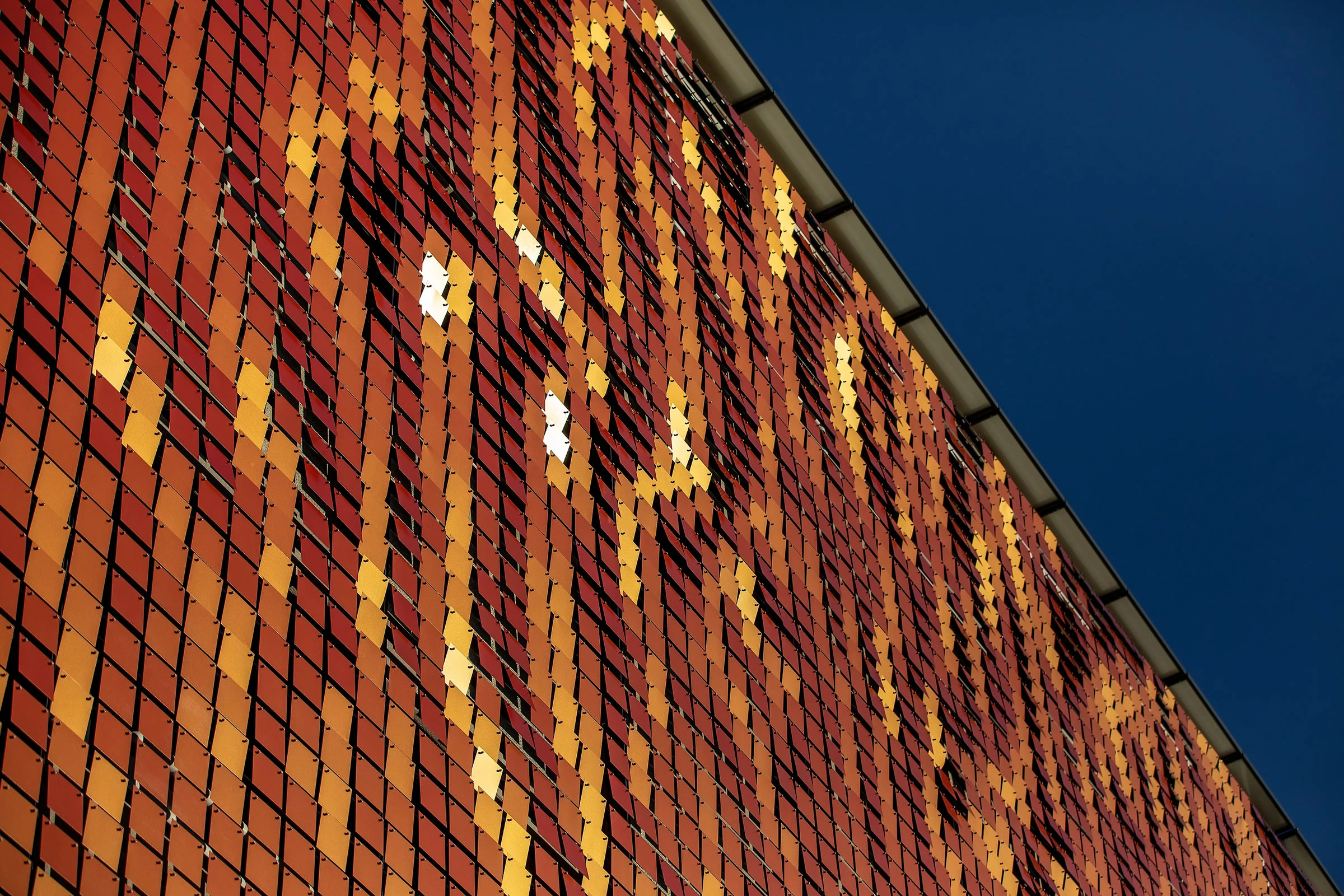
Perhaps one of the most critical aspects in the provision of a successful commercial building envelope is early coordination in the design of metal panels. It can be used to coordinate architectural intent, structural requirements, and installation techniques when it is managed at the outset of a project before problems are discovered in the field. Metal panel systems are very specific and any minor disconnection between trades may result in delays, increased expenditures and performance issues. Lack of early planning results in the teams on-site needing to solve the problems which would have been solved during the design, which is much more costly and time-consuming.
Improving Design Integration
The initial coordination enables the architects, engineers, and contractors to agree upon the way metal panels are going to interact with the building structure, and also the other envelope systems. This involves knowledge of attachment techniques, substrate conditions, and transition meeting of various materials. Once this is dealt with at an early stage, the design can be modified to prevent unwarranted complexity in the process of installation.
It also enhances uniformity throughout the project documentation. Drawings, specifications and shop details can be drawn with a common comprehension of how the system is to be constructed. This minimizes conflicts between design and construction implementation, which is particularly critical in big commercial buildings when several units are operating at the same time.
Enhancing Performance and Quality
Metal panel systems are not just aesthetics, but also essential components of the building envelope. Their work relies on adequate air and moisture control, thermal movement, and support. Early coordination is needed to make sure that these performance requirements are built into the design and not as an afterthought.
This is especially significant with mechanisms such as insulated metal panels, where thermal performance and continuity rely on small, but critical, installation and interface details. By performing early coordination, it becomes simpler to have the whole envelope working as intended, minimizing chances of leakage, thermal bridging, or early wear.
Reducing Construction Issues
Conflicts during installation are one of the most prevalent issues in metal panel projects. They can include misaligned framing, wrong tolerances or unforeseen mechanical or structural system interference. Modern facade systems like insulated metal panels and insulated wall panels are highly coordinated since these systems are sensitive to correct interfaces and tolerances. Prior coordination assists in detecting these problems prior to the manufacturing or delivery of materials to the location.
Delay in coordination frequently requires that contractors make on-site changes to panels or framing that impacts quality and schedules. Comparatively, the design solution to such problems enables the project to continue without as many interruptions and a more predictable order of installation.
Favoring Cost and Schedule Control
Early coordination directly affects cost and schedule certainty of the project. When design teams fix issues prior to the start of fabrication, it minimizes chances of change orders and rework. This enables procurement to move forward with better quantities and prices.
It also helps in facilitating sequencing of construction. Planning installation becomes easier when contractors have confidence that all panel dimensions and connection points, and supporting structures are coordinated. This will result in a reduction in delays and increased utilization of labor and material during the project lifecycle.
Early coordination of the design of metal panels provides a more solid base to performance and execution. It assists in aligning all stakeholders involved in a project, minimizes construction risks and makes sure that the building systems are integrated in the manner they are meant to be. This initial effort can be very beneficial in complex commercial projects and where precision is important.