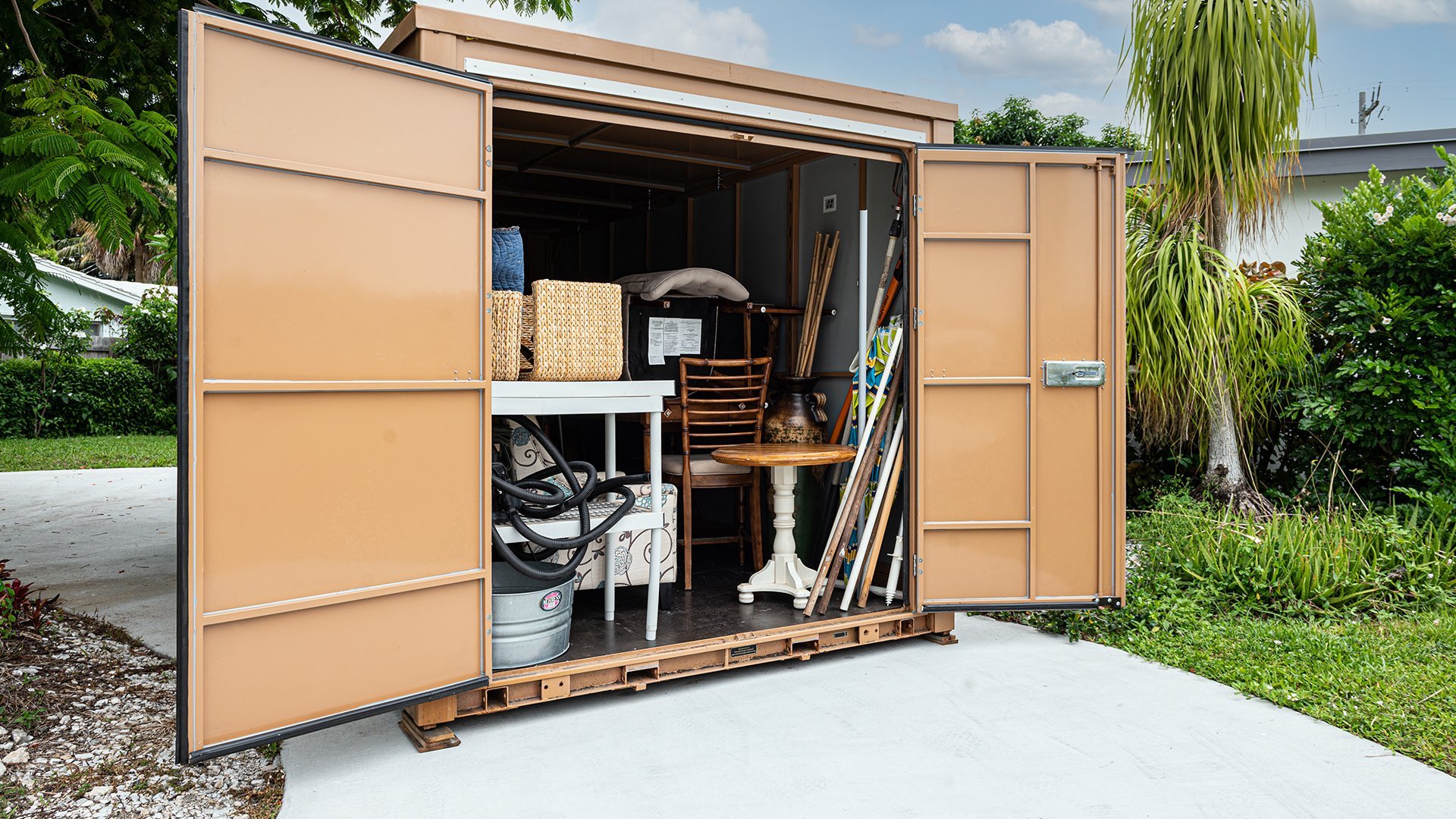
A portable storage unit can also make the process of moving, renovations or temporary relocation easier but the arrangement of what is loaded in the unit is significant in safeguarding your items. A major error that individuals commit is attempting to put too much in a small space. Although it might sound like a cost effective method of maximizing every inch, overpacking tends to cause damage and create safety issues and unwarranted stress in the future. Knowing the reasons why you must not overpack a portable storage unit can make you make more efficient decisions and maintain the state of your items.
Impact on Item Safety
Stuffing a portable storage unit causes a high risk of the items moving when transporting or when stored. Objects may pinch each other when there is no space to put them or pad them. Delicate items like glassware, electronics, and decorative items are particularly susceptible in such circumstances. Even heavy furniture may be scratched or have dents or structural strain because of being packed too tightly.
A packed bag will give it a breathing room in between the objects, which will eliminate direct pressure and movement to a minimum. In the absence of this equilibrium, the danger of internal harm increases greatly. In most incidents, individuals end up realizing the effect when they pull out the unit and realize that products have been damaged. To prevent overpacking, it is good to make sure that your stuff is in good condition during the storage process.
Challenges in Accessibility
In case a unit is overcrowded by filling it more than it will be practically, one would not easily reach certain items. It might be necessary to empty a huge amount of the contents in order to access something that was placed in the back. This does not only waste time, but it also enhances the chances of accidental damage during repetitive handling. The organization of such tight spaces is hardly possible when all the space available is congested.
It is better to leave space to walkways or open areas in the unit so that it is easier to navigate. This will be very valuable when you intend to use your belongings more than once. Convenience should not be ignored whether you are storing due to a move or temporary purposes. By not overpacking, you will not have to strain to reach something and cause inconvenience.
Structural Strain on the Unit
Portable storage units can accommodate some weight and after that, there is a problem in structure. Overpacking can cause the distribution of weight as being uneven and may overstretch the floor or wall of the unit. The improper arrangement of heavy items can also cause pressure points, which undermine the structure in the long run.
In other instances, it is even possible to have a situation where overloading a unit means that the doors may be difficult to close or secure. This may jeopardize the security of your goods and complicate transportation. By ensuring that your load is not excessively heavy and that the weight is spread out, you can minimize the chances of structural issues and make sure that the unit holds up.
Increased Risk During Transport
Mobility and vibration are brought about by transportation, and they can increase the impact of overpacking. Items that are highly compressed lack the ability to absorb motion. This may lead to movement, overturning or crushing during transit. Even small distances may cause the apparent damage in case the contents are not carefully packed.
Providing a little room to protective materials like padding or blankets will assist in shock absorption and stabilization. This is because a lot of movement is experienced during transport in the process of transferring services such as storage London options by many people. By not overpacking you will have a greater likelihood of safeguarding your items against such inescapable circumstances.
Difficulty in Proper Organization
A major component of the successful use of portable storage is its organization. Squeezing items into the bag eliminates the possibility to sort the things and distinguish the areas. On a day that all the stuff is packed in, one cannot tell where certain things are. It can be a source of frustrations and time wastage whereby you are in a hurry to locate something.
A more moderate strategy enables you to categorize objects and have a clear arrangement. As an example, it is better to put regularly used goods at the front and less often used ones at the back to save some energy in the future. Eschewing overpacking helps to maintain a more streamlined system that facilitates the whole process and makes it smoother and more effective.
Long Term Consequences
Overpacking does not necessarily have instant effects. Objects under continuous stress can experience problems with time, including bending, warping, or wear and tear. This is especially with furniture, fabrics and materials that are sensitive to the environment. Poor ventilation in an overpacked unit may also cause the accumulation of moisture and bad smell.
These problems can be avoided by planning your storage strategy based on long term preservation. It can be a big difference to leave proper space to air flow and not to be overweight on any item. By not overpacking, you safeguard your things against slow (or even unnoticed) wear and tear that can otherwise be discovered after it is too late.
Conclusion
Not to overpack a portable storage unit is a crucial factor to keep your things safe, accessible, and in condition. Although the temptation to maximize space is there, risks usually overshadow the benefits. Overpacking poses difficulties which can easily be avoided, but which result in more damage and less organization, structural strain and wear that are long term. Being more moderate guarantees your storage experience to be both efficient and safe, as well as much less stressful.