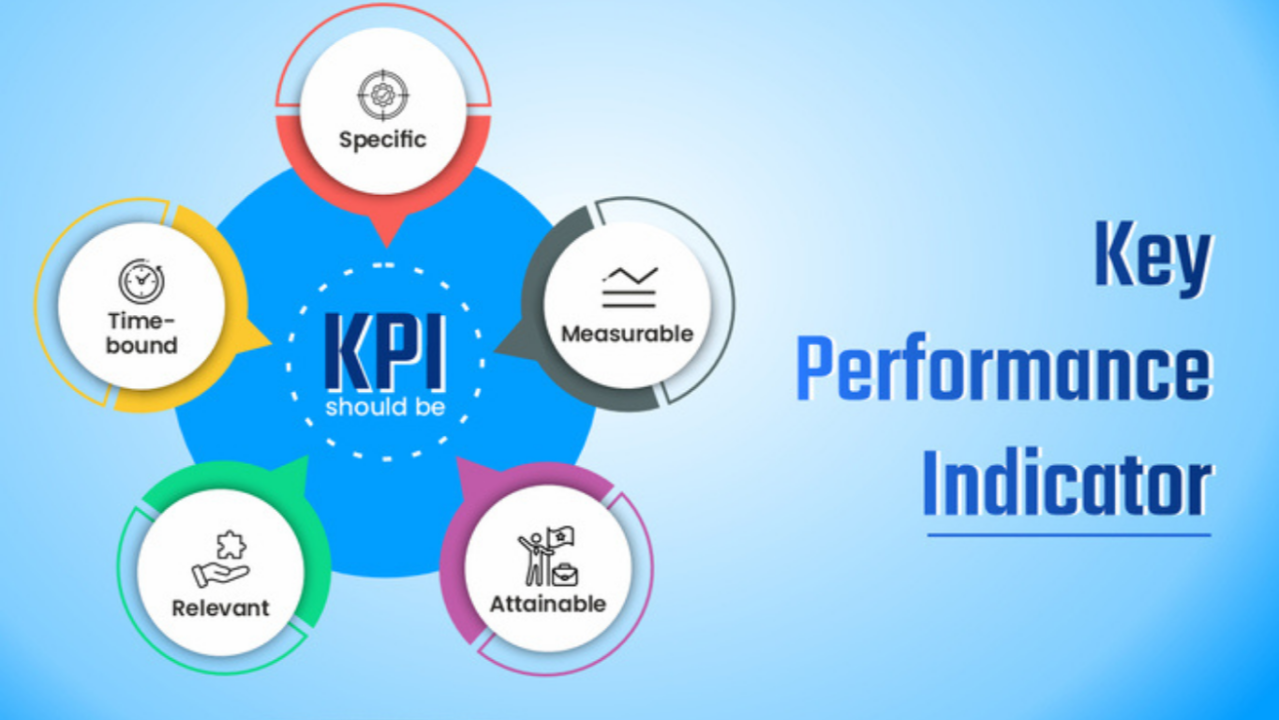
Development of internal KPI success of tax incentives is a necessary process in the businesses that decide to go further than reactive tax filing and to proactive financial strategy. Most organizations purport to be incentive based yet they do not quantify their success and leave value on the table. With clear performance indicators, companies can more easily monitor, realign, and maintain the benefits of the available tax programs and change them into larger financial objectives.
Knowledge of the Purpose of KPIs
Tax incentive KPIs are internal measures of complex tax regulations and can be translated into business results. KPIs enable companies to assess the identification, claim and maximization of opportunities with time, as opposed to perceiving incentives as a one time credit. The shift establishes accountability and where tax strategies are directly used to generate profitability and growth.
These are also indicators that give interdepartmental clarity. When people have a common sense of what success is, finance teams, operations leaders, and executives are able to align their efforts. In the absence of KPIs, tax incentive initiatives can be siloed and inconsistent, which results in opportunities missed and processes that are inefficient.
Ensuring KPIs Are Aligned with Business Objectives
Tax incentive KPIs should be relevant to overall business objectives to be effective. To use an example, KPIs in this case should be used to determine the effectiveness of research related incentives capture and use in case a company is concerned with innovation. This is to make sure that tax strategies do not derail the main mission of the company.
Decision making also gets enhanced by alignment. When KPIs are aligned to the strategic goals, the leadership can assess whether it is worth undertaking some incentives. This helps teams to avoid pursuing all the credits available and instead concentrates on the incentives that provide maximum value.
Defining Measurable Indicators
The success of any effective KPI framework is based on clear and measurable indicators. Some of the metrics businesses should target include the number of incentives that people have claimed, application success rate, and the time taken to prepare and submit claims. These measures give a first-hand perception of efficiency and effectiveness.
Consistency in measurement is also another concern. KPIs are to be followed on a regular basis and compared over the time to see the trends and what needs to be improved. Regular tracking enables monitoring of progress and corrections can be undertaken in a short period when performance is failing.
Tracking Financial Impact
One of the most important dimensions of tax incentive KPIs is the financial impact. Companies ought to quantify the implications of incentives on cash flow, tax payment, and profitability. This assists to illustrate the practical worth of tax plans to shareholders and management teams.
It is also useful in monitoring financial outcomes which facilitates improved forecasting. When companies comprehend the role of incentives in determining their financial status, they will be able to make investments and resource allocation much better. This makes tax incentives a predictable and strategic part of financial planning.
Enhancing Processes and Efficiency
To maximize tax incentives, efficient processes are necessary. KPIs are supposed to measure the ease with which internal processes run such as documentation, cooperation, and submission schedules. Determining the bottlenecks enables firms to optimize their processes and minimize wastage of time.
Cross functional collaboration is usually necessary to improve processes. In other instances, external experience like SR&ED consulting is helpful to businesses to streamline their strategy and make sure they are in compliance. Enhancing efficiency will not only save time but also enhance chances of successful claims.
Assurance of Compliance and Risk Management
An important element in the success of tax incentives is compliance. The KPIs are expected to keep track of the error rate, audit results, and compliance with the regulations. This assists businesses to reduce risk and have confidence in their claims.
A good compliance system also creates credibility by the tax authorities. This can be assisted by employing the services of an experienced SR&ED consultant who can assist in the documentation and eligibility. Companies have a greater confidence and less risk of seeking incentives when compliance is incorporated in the KPIs.
Driving Continuous Improvement
The KPIs that involve tax incentives cannot be fixed. Companies should consider updating and amending their indicators periodically to align with changes in regulations, strategy and market conditions. The continuous improvement makes KPIs relevant and effective with time.
Feedback loops are vital to this process. Comparing the performance data and learning through the previous results, companies can improve their strategies and achieve better results in the future. This results in a continuous optimization and development cycle.
Building internal KPIs on the success of tax incentives can enable firms to transform a previously reactive role into a systematic and strategic benefit. With the establishment of clear metrics, their alignment with the business objectives, and the ongoing performance tracking, organizations can have a more comprehensive understanding of how incentives help in achieving financial results. The method is effective in enhancing efficiency and compliance as well as makes sure that opportunities that are worth pursuing are not missed.