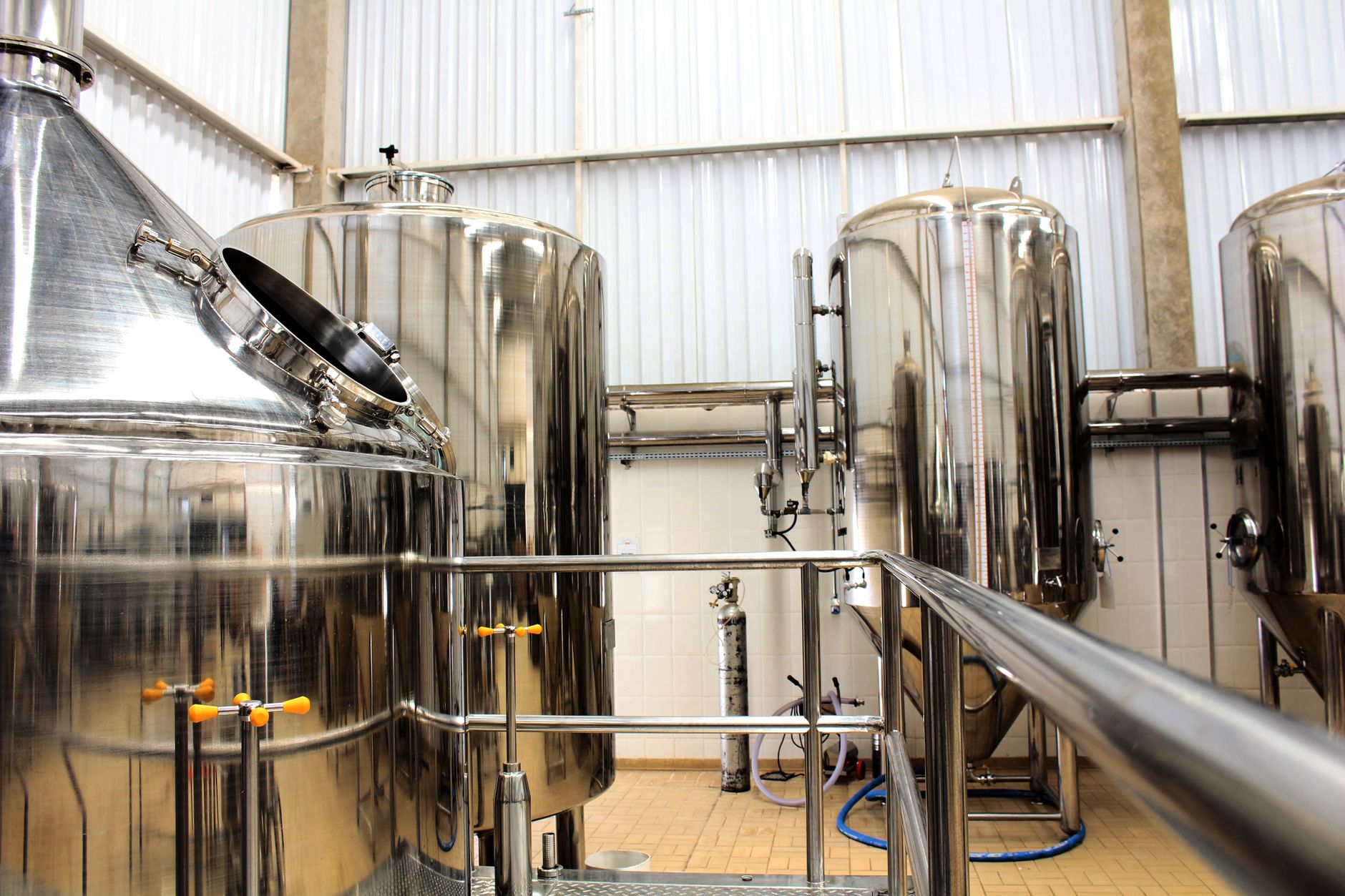
Why Stainless Steel Outdoor Kitchen Pods Outshine Solid Wood Cabinets in Durability
When it comes to designing the perfect outdoor kitchen, choosing the right materials is critical—especially for cabinets. Two popular choices often come up in discussion: stainless steel and solid wood. While solid wood has its charm and traditional appeal, stainless steel outdoor kitchen pods are cutting-edge marvels designed to perform and endure in challenging outdoor environments. If durability is your top priority, stainless steel is the clear winner.
In this blog post, we’ll explore why stainless steel outdoor kitchen pods outshine solid wood cabinets in durability, focusing on the key points: resistance to weather, moisture, fire, and corrosion, as well as ease of maintenance and long-term reliability.
1. Superior Resistance to Weather
Outdoor kitchens are constantly exposed to the elements. Rain, snow, wind, and UV radiation can take their toll on materials, so your cabinets need to withstand whatever nature throws their way.
Why Stainless Steel Excels:
Weatherproof: Stainless steel is inherently resistant to environmental factors, whether it’s scorching sun, heavy rain, or snow.
No Cracking, Warping, or Fading: Unlike wood, stainless steel doesn’t warp from moisture absorption or crack due to temperature changes. It retains its structure and appearance regardless of weather conditions.
Solid Wood Limitations:
While initial treatments can make solid wood cabinets weather-resistant, these treatments wear off over time, leaving the cabinets vulnerable to cracking, swelling, or rotting.
Prolonged exposure to sunlight can discolor or fade wood cabinets.
Key Takeaway:
Stainless steel outdoor kitchen pods stay strong and maintain their original appearance through harsh weather, while solid wood cabinets may suffer from deterioration and require continuous maintenance.
2. Exceptional Moisture Resistance
One of the most significant threats to outdoor kitchens is moisture. Whether caused by humidity, rain, or water splashes during food prep, cabinets that aren’t water-resistant won’t last long.
Why Stainless Steel Excels:
Waterproof Material: Stainless steel is completely non-porous, meaning it doesn’t absorb water or moisture.
No Mold or Mildew: Since it doesn’t soak up water, stainless steel doesn’t host mold or mildew, ensuring your cabinets stay hygienic and odor-free.
Solid Wood Limitations:
Even treated wood can absorb water over time. This leads to swelling, cracking, and eventually rotting, making solid wood a less suitable material for wet or humid environments.
Wood cabinets in damp conditions can also foster mold or mildew, which is both unsightly and unhealthy.
Key Takeaway:
Stainless steel outdoor kitchen cabinets are impervious to water damage, making them far more durable than solid wood cabinets in humid or wet outdoor settings.
3. Fire and Heat Resistance
Outdoor kitchens are often home to grills, burners, or pizza ovens, meaning the area is exposed to high levels of heat. In such environments, choosing a fireproof outdoor cabinet material is crucial.
Why Stainless Steel Excels:
Heatproof and Fire Resistant: Stainless steel withstands extreme temperatures without warping, cracking, or catching fire. This makes it ideal for areas near grills or other high-heat appliances.
Safety First: The metal is non-combustible, providing a safer cooking environment in case of accidents involving flames or sparks.
Solid Wood Limitations:
Wood is highly flammable and can be a safety hazard in outdoor kitchens equipped with high-temperature cooking equipment.
Even with protective coatings, wood is more susceptible to damage from prolonged exposure to heat.
Key Takeaway:
When it comes to fire and heat resistance, stainless steel significantly outperforms solid wood, making it the safer and sturdier choice for outdoor kitchens.
4. Corrosion Resistance
Moisture, salty air (especially near coastal areas), and exposure to the elements can cause materials to weaken over time. This is where stainless steel’s corrosion resistance shines.
Why Stainless Steel Excels:
Corrosion Resistant: Stainless steel resists rust and corrosion, even in coastal areas where salty air can wreak havoc on untreated metals and wood.
Self-Healing Properties: Due to its chromium content, stainless steel forms a thin protective layer that naturally prevents rust from forming.
Solid Wood Limitations:
Wood is prone to decay when exposed to damp or salty conditions, often requiring regular sealing or replacement to prevent rot.
Corroded or decayed wood can lead to structural instability over time.
Key Takeaway:
Stainless steel thrives in both coastal and wet conditions thanks to its corrosion resistance, while solid wood cabinets are more vulnerable to decay and require constant maintenance.
5. Low Maintenance and Hygiene
Outdoor kitchen cabinets need to handle more than just durability—they should also be easy to clean and maintain, especially when exposed to outdoor cooking messes like grease, soot, and food residue.
Why Stainless Steel Excels:
Non-Porous and Easy to Clean: Simply wipe down stainless steel surfaces with a cloth and mild soap for a quick cleanup.
Hygienic Material: Stainless steel doesn’t harbor bacteria, mold, or mildew, ensuring a hygienic cooking environment.
Solid Wood Limitations:
Cleaning wood cabinets can be labor-intensive, requiring gentle products to prevent damage.
Wood’s porous nature makes it prone to absorbing stains, odors, and bacteria, which can compromise hygiene.
Key Takeaway:
Stainless steel outdoor kitchen pods are virtually maintenance-free and inherently hygienic, offering convenience that solid wood cabinets simply can’t match.
6. Sustainability and Longevity
When thinking about the long-term value of your outdoor kitchen, it’s important to choose materials that don’t need frequent replacement, are sustainable, and can be recycled.
Why Stainless Steel Excels:
Longevity: Stainless steel cabinets can last for decades without losing their strength or functionality.
Eco-Friendly Material: Stainless steel is 100% recyclable, making it an excellent choice for environmentally conscious homeowners.
Solid Wood Limitations:
While solid wood is often considered eco-friendly, it doesn’t last as long in outdoor environments, meaning it may need to be replaced more frequently.
Frequent replacements contribute to more waste over time.
Key Takeaway:
Stainless steel outdoor kitchen pods are a sustainable, long-term investment, outperforming solid wood in longevity and environmental impact.
Stainless Steel is the Future
While solid wood cabinets have their place indoors, stainless steel outdoor kitchen pods are undoubtedly superior for outdoor environments. With their unparalleled durability, resistance to the elements, fireproof properties, hygiene, and eco-friendly nature, stainless steel is the best choice for homeowners looking for an outdoor kitchen setup that will stand the test of time.
Why Choose Stainless Steel Outdoor Kitchen Pods?
Resistant to weather and extreme temperatures.
Impervious to water, rust, and corrosion.
Fireproof and heat-resistant for safer outdoor cooking.
Low-maintenance and easy to clean.
Hygienic and resistant to bacteria and mold.
Long-lasting and environmentally friendly.
When designing your outdoor kitchen, choose a material that provides both functionality and modern style. Stainless steel outdoor kitchen pods are more than just a practical choice—they’re an investment in durability, sustainability, and aesthetic appeal.