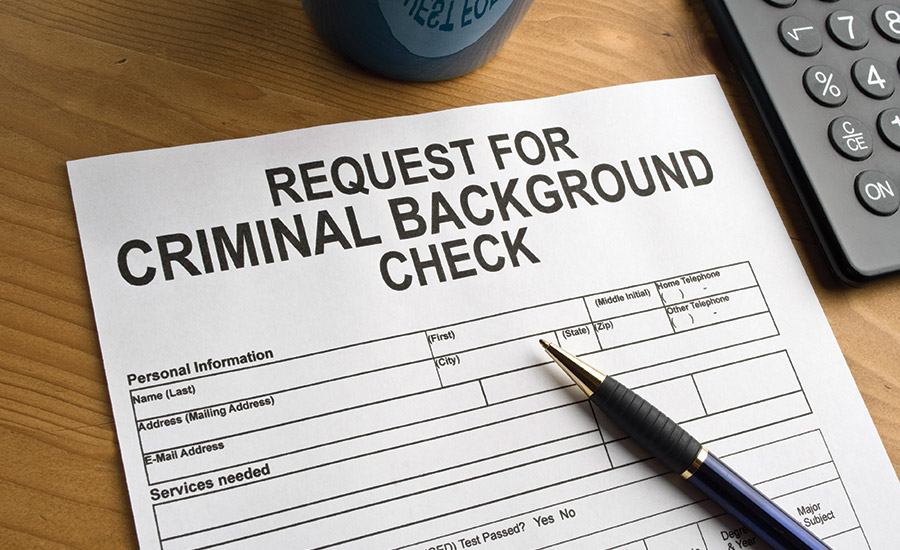
CRA background checks can be used for a variety of reasons, so if you’ve been told someone is ordering one for you, don’t panic. It has likely been ordered for a perfectly reasonable purpose. But if you’re wondering what this kind of background screening is and what it’s for, you’re not alone. This guide explains what CRA background screening is and what to expect if you’re the subject of one.
What Is a CRA Background Check?
A CRA background check is a screening conducted by the Consumer Reporting Agency (that’s the CRA part). The CRA gathers and compiles information about people from a variety of public records, databases, and verification sources. Employers, landlords, lenders, and caregiver agencies rely on CRA background checks to evaluate applicants before making important decisions about hiring employees or approving housing applications. Because the information collected can significantly impact a person’s future, CRA background checks are regulated by strict legal standards that ensure accuracy, fairness, transparency, and compliance with the law.
CRA Background Check Purpose
The primary purpose of a CRA background check is to help a company assess an applicant’s character and elgibility. Employers, for example, want to confirm that candidates are truthful about their work history and do not have a background that could pose risks to their company. Landlords may review reports to determine whether a tenant is trustworthy and consistent with rent payments.
These reports allow companies to reduce risk, protect customers and employees, predict performance, and maintain compliance with industry regulations. While some sectors, such as healthcare and finance, require background checks by law, virtually any business can benefit from performing them as part of a responsible hiring process, so they’re a pretty common step.
Legal Compliance under the FCRA
Consumer Reporting Agencies must comply with the Fair Credit Reporting Act (FCRA), a federal law that regulates how background checks are conducted and used. The FCRA establishes clear rules designed to protect your rights.
Before an employer can request a background check, they must get your written consent. If the information in the report leads an employer to deny employment, the applicant must be notified and provided with a copy of the report. This gives you the opportunity to review the information used in the decision. You can also dispute anything on the report that you believe is inaccurate, and the CRA is required to investigate it further.
The Background Check Process
Typically, the background check process starts after a conditional offer of employment is made and you sign the necessary consent forms. The CRA then gathers information from various databases, court systems, verification services, and screening providers. Depending on the depth of the search and how quickly records can be accessed, the process usually takes a few days to two weeks to complete.
These checks can be modified to include different types of information depending on the position you’re applying for, or if you’re applying for a loan or housing. But most often, they include criminal records searches and employment/education verification, and may sometimes include credit reports and driving records when applicable.
If you have any questions about CRA background checks, be sure to ask the individual or company ordering the background check what it’s for and what information will be pulled.