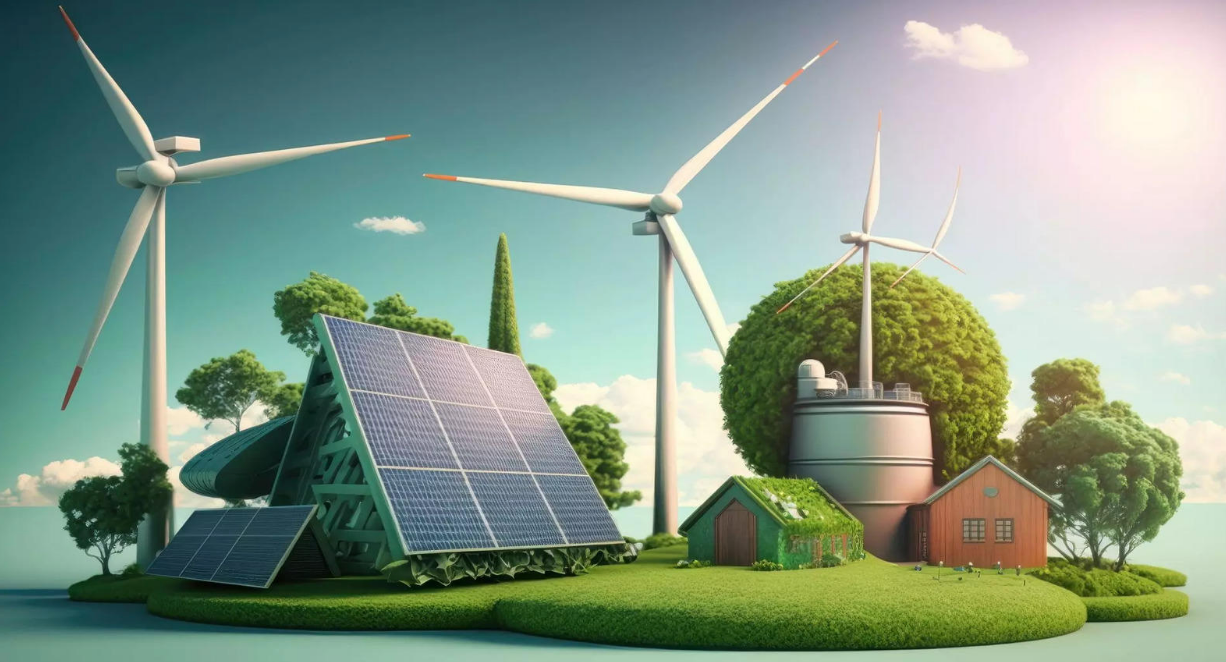
The growing energy demand has brought a clear challenge into focus. Traditional energy sources like coal, oil, and gas are not only limited but also responsible for high carbon emissions that drive climate change and environmental damage. At the same time, rising consumption and ageing energy infrastructure are making it harder to ensure a stable, affordable, and secure power supply.
This is where sustainable energy steps in as a practical solution. By shifting towards renewable sources such as solar, wind, hydro, and other clean technologies, countries can reduce their dependence on finite resources while cutting emissions.
The Shift Toward Renewables
For decades, the global economy depended heavily on fossil fuels. However, their environmental impact, especially rising carbon emissions, has pushed the world toward cleaner energy options. Renewable sources like solar, wind, and hydro power generate electricity without continuously emitting greenhouse gases and rely on natural processes that are effectively inexhaustible.
This shift goes beyond replacing power plants. It requires a complete upgrade of the energy system, from generation to transmission and consumption. By adopting sustainable energy, countries can reduce dependence on imported fuels, strengthen energy security, and stabilize local supply. It also reduces the risks associated with fuel extraction and transport, creating a safer and more resilient energy ecosystem.
Economic Impact and Job Growth
Modernizing the energy sector also makes strong financial sense. Renewables have moved well beyond the early-stage phase and are now attracting considerable investment. The cost of solar panels and wind turbines has fallen sharply over the past decade, making renewable power competitive with, and in many cases cheaper than, traditional thermal energy.
This shift is pulling in private capital and accelerating the development of green infrastructure. It is also creating a wide range of jobs, not just in installation but also in software systems, grid operations, engineering, and advanced manufacturing. Companies such as Hero Future Energies contribute by helping build large-scale clean energy projects that demonstrate the commercial viability of renewable power, while also supporting local industries and supply chains.
Grid Resilience and Decentralization
Traditional power systems are largely centralized, which means a single failure can disrupt electricity supply across wide areas. Renewable energy enables a more distributed model that is better suited for a greener and more resilient future. Decentralized grids are less exposed to large-scale outages and can recover faster from local disruptions.
- Microgrids: Localized energy systems can function independently of the main grid, bringing reliable electricity to rural and remote areas. This supports basic needs such as lighting, refrigeration, and internet access in underserved communities.
- Energy Storage: Large-scale battery systems store excess power during peak generation and release it when demand rises or supply drops, helping maintain a steady and reliable flow of electricity.
- Reduced Pollution: Shifting from combustion-based power improves air quality by cutting harmful emissions. This leads to better public health outcomes, lower healthcare burdens, and improved living conditions, especially in industrial regions.
Overcoming Technical Challenges
While the benefits of renewable energy are clear, building a fully green grid still comes with technical challenges. One of the biggest priorities today is improving energy storage and making the grid more flexible. The aim is to create a system where multiple energy sources work together smoothly to meet rising demand without interruptions.
Smart grid technology plays a key role here by using real-time data to balance electricity supply and demand more efficiently. This reduces energy waste and ensures renewable power is used effectively. At the same time, emerging solutions like green hydrogen are being developed for sectors such as heavy industry and shipping, where direct electrification is difficult. Together, these advancements are helping build a cleaner energy system that remains reliable and capable of supporting global economic needs.
Global Cooperation and Policy
A successful shift to sustainable energy depends heavily on stable policy support and international cooperation. Governments that offer clear tax incentives and simplify approval processes tend to see faster adoption of renewable technologies. A predictable regulatory environment also reduces investor risk, which can lead to lower financing costs and quicker rollout of clean energy projects.
Public awareness is another important driver. As expectations for transparency grow, businesses are increasingly held accountable for their carbon emissions. This is pushing companies to adopt power purchase agreements (PPAs) with renewable energy providers to meet their sustainability goals. At the global level, international agreements help set emission targets and benchmarks, ensuring that the transition to clean energy stays a shared and sustained priority.
Conclusion
Sustainable energy is now central to building a cleaner and greener future. It provides the foundation for a modern economy that balances growth with environmental responsibility. With continued focus on innovation, infrastructure development, and smart investment, energy systems can become more reliable and less harmful to the planet. The shift toward renewables is a practical path toward long-term resilience and resource security, supported by consistent policy and global cooperation.