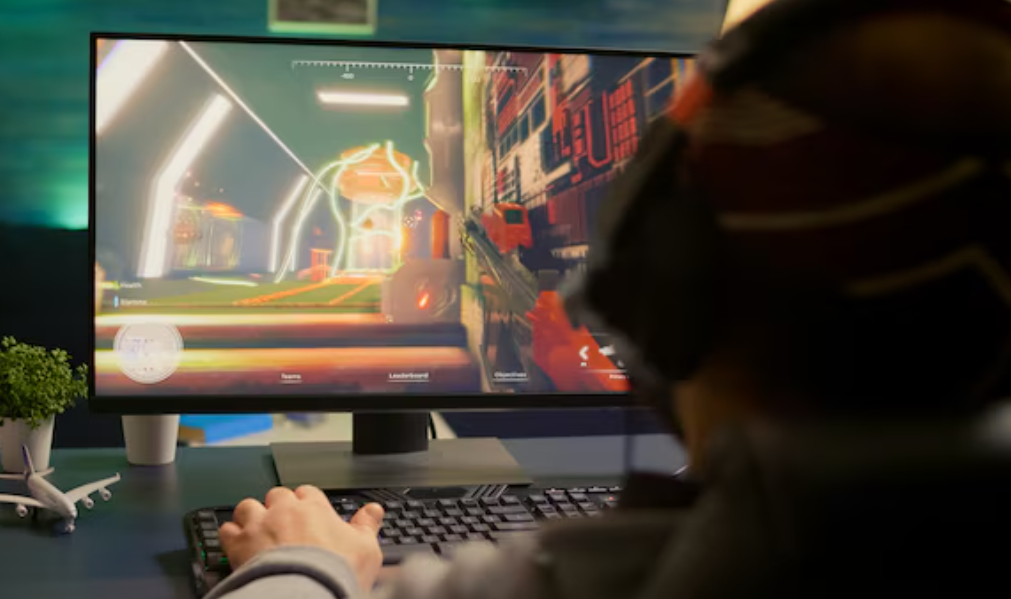
Online gaming has moved far beyond being a simple form of entertainment. Today, it is also a major digital environment where people communicate, collaborate, compete, share experiences, and build communities. As gaming platforms become more connected and interactive, they are influencing the way users behave across the wider digital world.
Features that were once mainly associated with multiplayer games, such as live chat, avatars, virtual communities, real-time reactions, shared challenges, and personalized profiles, are now appearing across social platforms, entertainment services, learning environments, and even workplace technology.
The result is a noticeable shift in digital interaction. People increasingly expect online experiences to be responsive, social, personalized, and participatory rather than passive.
Real-Time Communication Is Becoming the Standard
One of the strongest influences of online gaming is the growing expectation of instant communication.
Multiplayer slot777 games have long allowed players to interact through text chat, voice communication, signals, reactions, and other tools while an activity is happening. This creates a sense of immediate connection between people who may be located in completely different parts of the world.
Digital Users Expect Faster Responses
This real-time style of communication is becoming common outside gaming as well.
Social media platforms now prioritize live conversations, instant reactions, and notifications. Customer service systems increasingly use live chat. Collaboration tools allow employees to communicate while working on shared projects.
The underlying expectation is similar: users want digital environments that respond quickly to their actions.
Online gaming helped normalize this type of constant, immediate interaction.
Virtual Communities Are Becoming More Important
Gaming communities demonstrate that people do not necessarily need to meet physically to develop meaningful group identities.
Players often gather around particular games, teams, genres, creators, or competitive events. These communities may communicate through gaming platforms, forums, social media groups, live streams, or dedicated chat servers.
Shared Interests Create Digital Connections
Many online gaming communities are built around common interests rather than geographic location.
People can join a group because they enjoy the same type of game or share similar goals. Over time, repeated interaction can create recognizable community cultures, including:
- Shared terminology and inside jokes
- Community events and competitions
- Player-created guides and tutorials
- Fan artwork and videos
- Discussion groups and forums
- Collaborative challenges
Avatars Are Changing Digital Identity
Online gaming has also played an important role in the development of digital identity.
Players are often able to customize characters, avatars, profile images, outfits, badges, and other visual elements. These options allow users to represent themselves in ways that may be different from their physical appearance.
Personalization Makes Digital Spaces Feel More Individual
Customization gives people a sense of ownership over their online presence.
Similar ideas are now common across social networks, virtual meeting platforms, messaging apps, and digital communities. Profile themes, stickers, animated characters, digital accessories, and personalized icons have become familiar parts of online communication.
The popularity of gaming avatars has helped demonstrate that digital identity can be flexible and expressive.
Collaboration Is Becoming a Core Digital Skill
Many online slot games depend heavily on teamwork.
Players may need to coordinate strategies, divide responsibilities, communicate quickly, and adjust their approach depending on what happens during gameplay.
These experiences can encourage users to become comfortable with collaborative digital environments.
Shared Goals Encourage Participation
Online gaming frequently brings people together around a common objective.
A team might need to complete a mission, solve a problem, defend an area, or reach a particular target. Every participant may have a different role, but success depends on coordination.
This approach has similarities with other digital environments where users work together remotely.
Collaborative software, online classrooms, project management tools, and virtual workshops increasingly use shared spaces where people contribute to the same goal.
Gamification Is Spreading Across Digital Platforms
Another major influence of gaming is the wider adoption of gamification.
Gamification means using game-inspired elements in activities that are not necessarily games. These may include points, progress bars, badges, levels, challenges, streaks, or achievement systems.
Progress Systems Encourage Continued Interaction
Gaming has shown that visible progress can make digital experiences feel more engaging.
A simple progress indicator can help users understand how far they have come and what they can do next.
For example, learning platforms may award badges for completing lessons, fitness apps may track daily streaks, and productivity tools may display progress toward goals.
These features borrow heavily from systems that have existed in online gaming for years.
Interactive Entertainment Is Replacing Passive Consumption
Traditional digital entertainment often involved simply watching, reading, or listening.
Online gaming works differently because users actively influence what happens.
The player makes decisions, reacts to events, selects actions, and changes the direction of the experience.
Audiences Increasingly Want to Participate
This participatory approach is spreading across digital entertainment.
Live streaming platforms allow viewers to comment while content is being broadcast. Interactive videos give audiences choices. Online events may include polls, live reactions, virtual spaces, and audience participation.
Users are becoming less satisfied with being passive observers. Many now expect opportunities to interact with content and with other people experiencing it.
Cross-Platform Interaction Is Becoming More Common
Modern online gaming increasingly takes place across different devices.
A person might play on a computer, communicate through a mobile app, watch related content on a television, and discuss the experience through social media.
This creates a connected ecosystem rather than a single isolated platform.
Digital Experiences Are Becoming More Connected
Other industries are following a similar approach.
Entertainment services, shopping platforms, social networks, and productivity tools increasingly allow users to move between smartphones, tablets, computers, and other connected devices.
The goal is continuity. Users expect their profiles, preferences, progress, and conversations to remain available wherever they choose to connect.
Social Interaction Is Becoming Part of Digital Entertainment
Perhaps the biggest change created by online gaming is the blending of entertainment and communication.
People may enter a gaming platform to play, but they often stay because of the social experience surrounding it.
They talk with friends, meet new people, join communities, watch others play, exchange strategies, and participate in digital events.
This combination of entertainment and social interaction is influencing many other areas of the internet.
Conclusion
Online gaming is helping shape the way people communicate and participate in digital environments. Real-time communication, virtual communities, customizable identities, collaborative activities, gamification, and interactive entertainment are becoming common expectations across the wider online world.
Rather than functioning as isolated entertainment products, online games increasingly act as social digital spaces where communication and participation happen naturally.
As digital platforms continue to develop, the influence of gaming is likely to remain visible in how people connect, express themselves, collaborate, and experience online content. The broader trend is clear: digital interaction is becoming more immediate, social, personalized, and interactive, and online gaming has played an important role in accelerating that change.