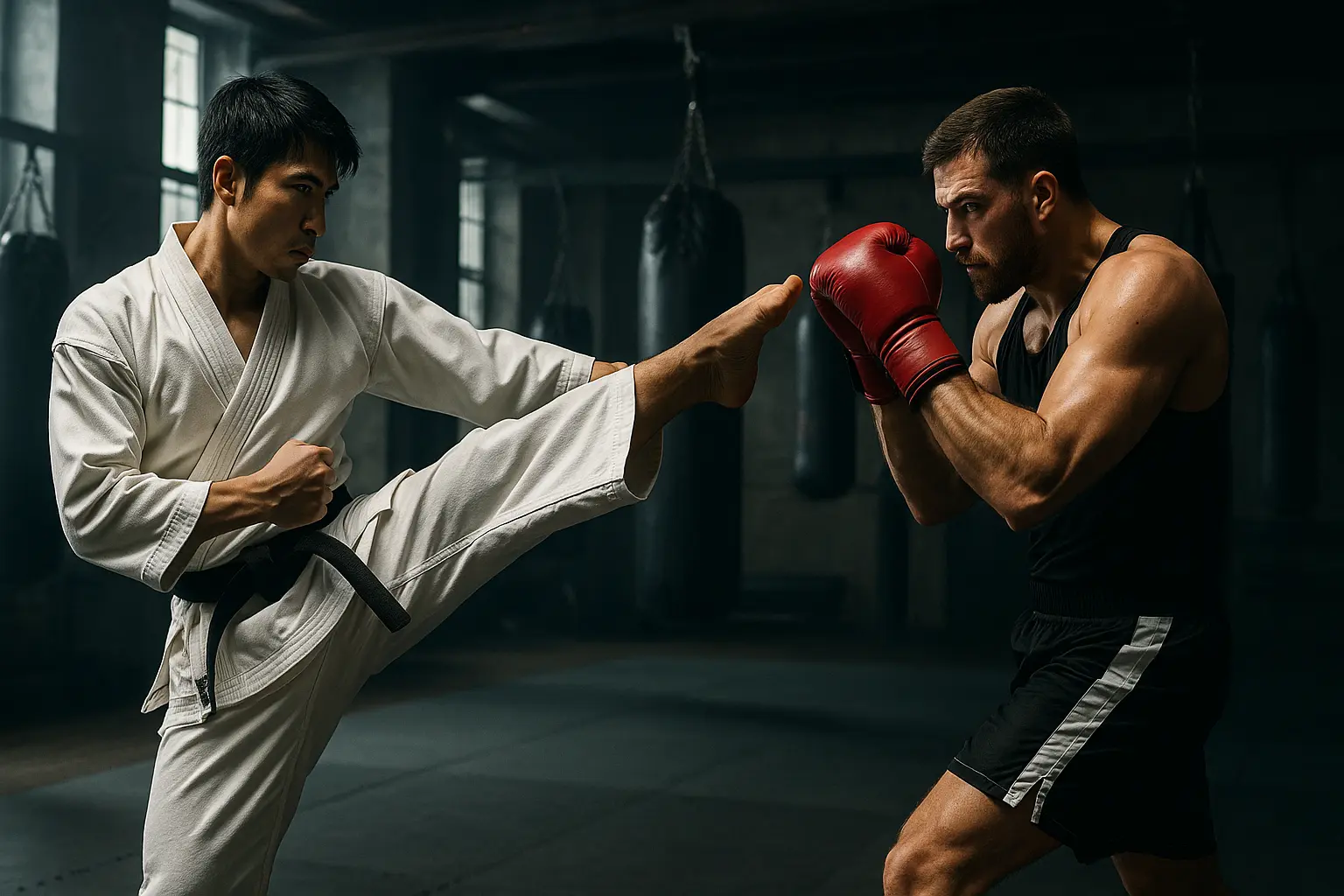
To the uninitiated, Thai boxing might appear to be nothing more than a high intensity combat sport defined by its raw physical power. However, those who choose to spend time at a traditional Thai boxing class in Thailand quickly discover that the sport is a profound cultural masterpiece. Known as the art of eight limbs, this discipline has been the heartbeat of Thai society for centuries, evolving from a battlefield necessity into a national treasure. Entering a local gym is not just about signing up for a workout. It is an invitation to explore a living heritage where every strike, bow, and ritual carries the weight of history and the spirit of a resilient people.
The Sacred Geometry of the Eight Limbs
The technical foundation of Thai boxing is built on the strategic use of eight points of contact: the two fists, two elbows, two knees, and two shins. This creates a versatile system of self defense that is as beautiful as it is devastating. Unlike modern sports that rely on brute force, traditional Muay Thai boxing is a study in mechanics and efficiency. Practitioners learn to use their hips as a central axis to generate rotational force. Statistical studies on striking dynamics show that a seasoned Muay Thai boxer can deliver a roundhouse kick with over 1,200 pounds of force, which is more than enough to break solid wood. Mastering these ancient techniques at the source allows you to appreciate the scientific precision behind the legend.
Rituals of Respect and the Wai Kru
The spirit of the sport is most visible in the rituals that bookend every training session and professional match. The Wai Kru, or a ceremonial dance performed before a fight, is a sacred tradition where the athlete pays tribute to their teachers, parents, and ancestors. This ritual is not merely for show. It is a psychological tool that centers the mind and demonstrates humility. In a traditional camp, you will see students performing the Wai greeting to their instructors every morning. This culture of respect creates a disciplined environment where the ego is set aside in favor of collective growth. By participating in these traditions, you connect with a moral framework that values gratitude as much as physical strength.
The Rhythmic Pulse of the Sarama
The atmosphere of a traditional Thai boxing class is defined by its unique sensory landscape, specifically the haunting melodies of the Sarama music. This traditional four piece ensemble, featuring a reed oboe and drums, accompanies every professional bout and often plays during intense training rounds. The tempo of the music is tied to the action in the ring, accelerating as the intensity of the exchange increases. This creates a hypnotic rhythm that helps practitioners find their flow and timing. The music serves as a constant reminder that Thai boxing is a dance of strategy and spirit, requiring a calm mind even in the heat of a high stakes physical encounter. Chalong Muay Thai is a boxing class for everyone.
A Community Forged in Shared Effort
Perhaps the most enduring aspect of the ancient spirit is the sense of community found within the gym walls. In Thailand, a Thai boxing class often functions as a second home for its fighters. This inclusive environment extends to international travelers who show a genuine desire to learn. The shared hardship of training in 30 degree heat with 80 percent humidity breaks down social and linguistic barriers. You find yourself part of a global family dedicated to self improvement and mutual support. This sense of belonging is the true essence of the sport, proving that while the matches are won individually, the spirit is cultivated through the strength of the collective.