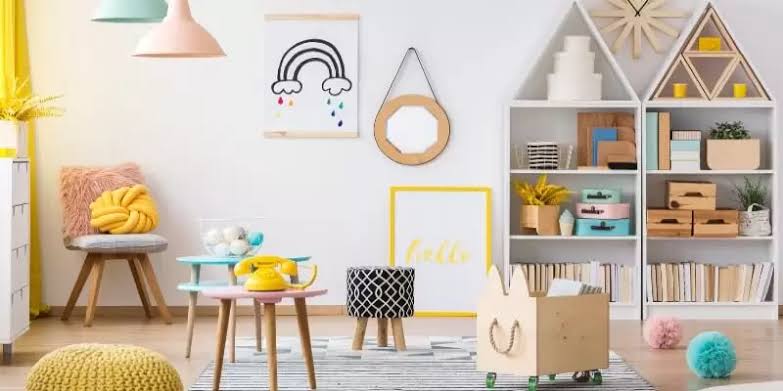
Creating a safe British playroom is the first and most non-negotiable priority in the UK children’s play space setup, preceding the aesthetic, organisational, and developmental considerations that build on this safety foundation. For British families setting up a playroom, a systematic safety assessment of the room configuration, furniture installation, and play materials produces the safest possible environment for the UK children who will use the space, whether supervised or independently during the primary school years. This guide provides the complete British playroom safety checklist and the most important practical steps for UK families at every stage of playroom setup. For safe, certified British playroom furniture, visit https://boori.co.uk/collections/playroom-furniture.
Key Takeaways
- Wall-anchoring all tall British playroom furniture is the most critical single safety action in the UK play space setup and must be performed on the day of assembly without exception.
- All British playroom furniture should carry named non-toxic finish certifications appropriate for UK children’s intensive daily contact, particularly important in enclosed British indoor play environments.
- Age-appropriate toy selection in the British playroom, with small parts inaccessible to younger children, is one of the most important parental safety decisions in the UK play space.
- The British playroom floor surface must be appropriate for active play, providing cushioning for falls and non-slip grip for active movement on UK hard floor surfaces.
- Electrical outlet covers, cable management, and the removal of breakable items from the British playroom are essential safety steps often overlooked in the focus on furniture-specific safety measures.
British Playroom Safety Checklist
| Safety Area | Action Required | UK Standard Reference | Priority |
| Furniture tip-over | Wall-anchor all units over 80 cm height | UK consumer safety furniture standards | Highest: immediate action |
| Chemical safety | Confirm named non-toxic certification on all pieces | OEKO-TEX Standard 100 or equivalent UK cert | Highest: before first use |
| Toy small parts | Remove small part toys from reach of youngest UK child | BS EN 71 toy safety standards for UK market | High: ageappropriate selection |
| Electrical safety | Cover all outlets; manage all cables | UK electrical safety regulations | High: before first unsupervised use |
| Floor surface | Play rug with non-slip backing on UK hard floors | No specific UK standard; practical safety measure | High: for active play cushioning |
| Sharp edges | Confirm rounded or bevelled edges on all British furniture | UK consumer product safety requirements | High: check before setup |
| Window safety | Window restrictors on accessible British windows | UK window safety guidelines for homes with children | High: for upper floor British rooms |
| Bunk bed safety | Confirm BS EN 747 compliance for any UK bunk in play room | BS EN 747 UK bunk bed safety standard | High: for sleep elevated surfaces |
British Playroom Safety in Detail
Anti-Tip Wall-Anchoring for British Playroom Furniture
Wall-anchoring is the most important single safety action in the British playroom because furniture tip-over is one of the most common and most serious furniture-related injury causes for UK children. A storage unit that appears perfectly stable under normal loading can tip under the dynamic uneven loading of a British child climbing one side, which is a universal climbing behaviour that UK toddlers and primary school children demonstrate regardless of instruction or apparent understanding of safety rules. Anti-tip straps designed specifically for children’s furniture are available from UK hardware retailers and specialist children’s furniture suppliers. In solid masonry British walls, anti-tip fixings should be plugged and screwed directly into the masonry. In British stud partition walls, fixings must locate a stud for adequate holding strength. Perform this anchoring on the day of furniture assembly without deferring to a later date.
Chemical Safety in the British Playroom
Chemical safety in the British playroom is particularly important because the enclosed indoor environment of the UK play space concentrates any furniture off-gassing at higher levels than well-ventilated outdoor play. British children in an enclosed playroom have less air exchange than in outdoor play, making the chemical safety certification of every furniture finish in the room more consequential than it would be in a well-ventilated adult space. Named certifications such as OEKO-TEX Standard 100 confirm that the specific surface treatments on each British playroom furniture piece meet the limits for harmful substances appropriate for children’s intensive daily contact. These certifications should be explicitly documented on the product or available from the UK supplier on request, not simply implied by general safety language in the product description.
Age-Appropriate British Playroom Configuration
The safest British playroom configuration changes as the youngest child using the space grows through developmental stages. For a British playroom used by a toddler, every accessible item in the room must meet infant safety requirements: no small parts at floor level, no climbing surfaces accessible to the toddler, and non-toxic finishes on all surfaces within mouthing reach. As the British toddler develops into a pre-schooler and primary school child, the safety requirements evolve: small part toys can progressively be introduced at age-appropriate stages, climbing furniture can be considered, and the direct supervision intensity can be appropriately reduced as the UK child’s judgement and physical competence develop.
For certified safe British playroom furniture, visit https://boori.co.uk/collections/playroom-furniture.
Frequently Asked Questions
How do I wall-anchor British playroom furniture in a rented UK property?
Anti-tip straps that fix to the furniture and to a small wall bracket are the least invasive anchoring method for rented British properties. The small wall bracket requires minimal wall penetration, typically a single small screw per bracket, that is within the normal repair and redecoration expectations of most UK residential tenancy agreements. Confirm the anchoring method with your UK landlord if you are uncertain about the tenancy agreement terms.
What toys are age-appropriate for an unsupervised British playroom?
For a British toddler’s unsupervised playroom, the UK toy safety standard BS EN 71 age-appropriate labelling is the primary guide: no toys labelled for ages above the child’s current developmental stage should be accessible in the unsupervised space. British primary school children from age five or six can manage a wider range of toy types with appropriate guidance. Review the age appropriateness of the accessible toy collection annually as the youngest British child using the playroom grows.
Does British playroom furniture need to meet specific UK safety standards?
UK consumer product safety regulations require that children’s furniture sold in Britain meets the general safety requirements of the Consumer Protection Act and relevant product-specific standards. For painted or coated British children’s furniture, finish safety certifications such as OEKO-TEX Standard 100 address the chemical safety requirements. For structural stability, the General Product Safety Regulations 2005 apply. For bunk beds in British playrooms, BS EN 747 applies. Named certification standards provide the most verifiable safety assurance.
How do I make a British playroom safe for a child with sensory processing differences?
For UK children with sensory processing differences, British playroom safety considerations extend to the sensory experience: avoiding harsh lighting that may be overstimulating, ensuring soft landing surfaces are adequate for sensory-seeking physical play, providing a clearly defined calm zone for sensory regulation, and confirming all materials including textiles and furniture surfaces are appropriate for the specific British child’s sensory profile. Consult the child’s UK occupational therapist for guidance on the most appropriate sensory modifications to the British playroom furniture and layout.
Final Thoughts
British playroom safety is the non-negotiable foundation of the complete UK children’s play space, and the most important single safety action, wall-anchoring all tall furniture on the day of assembly, must be performed without exception regardless of the furniture’s apparent stability or the parent’s intention to supervise the play space. For certified safe British playroom furniture from a specialist UK children’s furniture brand, visit https://boori.co.uk/collections/playroom-furniture.