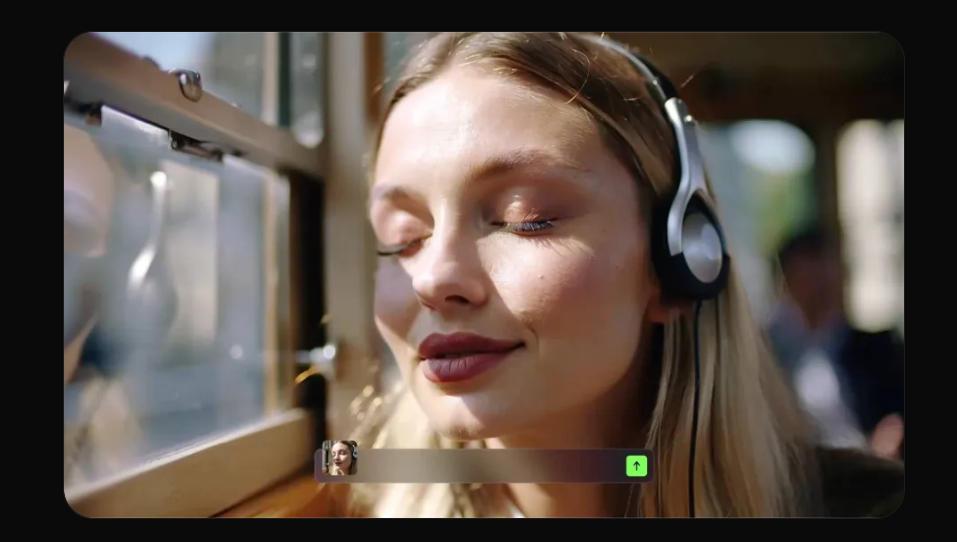
Many people use the terms AI editing and AI generation as if they mean the same thing. They do not. Both rely on artificial intelligence, but they solve different creative problems. One starts with existing content and transforms it, while the other creates new visual material from prompts or references. Understanding where each technology fits allows creators to build a faster workflow, make better production decisions, and avoid unnecessary editing. Once you know the distinction, combining both approaches becomes far more effective than relying on either one alone.
Understanding Where Editing Ends and Generation Begins
Every Project Starts From a Different Creative Point
The simplest way to separate these technologies is by asking one question: "What do I already have?" AI generation creates something new when there is little or no existing footage. A creator may begin with a text description, a still image, or several visual references and ask the system to produce an entirely new scene. AI editing, on the other hand, assumes that useful material already exists. Instead of replacing the production process, it reshapes existing footage into something more suitable. This distinction changes the entire workflow because generation fills creative gaps, while editing improves or transforms content that has already been captured.
Creation Builds New Content While Editing Refines Existing Material
Imagine launching a product campaign without any recorded footage. AI generation allows a creator to describe the desired environment, camera movement, subject, or mood, producing original visual material from those instructions. Now imagine filming that product but later deciding the background, weather, lighting, or composition should change. Editing becomes the better solution because the foundation already exists. ai video editor technology focuses on preserving valuable footage while modifying selected elements rather than rebuilding everything from scratch. Understanding this difference saves considerable production time because creators select the appropriate tool instead of forcing one technology to perform every task.
Prompts Guide Both Technologies in Different Ways
Both editing and generation depend on prompts, but prompts serve different purposes. During generation, prompts describe what should appear because nothing exists yet. During editing, prompts explain what should change while respecting the original video. Instead of describing an entirely new world, the creator instructs the AI to replace a background, remove distractions, adjust lighting, restyle clothing, or shift camera framing. Kling VIDEO 3.0 Omni demonstrates this distinction well by allowing users to upload existing footage and modify only the elements they choose while maintaining motion, continuity, and the overall structure of the original scene.
Combining Both Approaches Creates a Smarter Workflow
Generate First, Then Polish With Intelligent Editing
Professional production rarely follows a perfectly straight path. Many creators begin by generating concepts before refining them through editing. An initial AI-generated sequence establishes the visual direction, after which editing tools improve pacing, replace objects, adjust composition, or extend the action naturally. This layered workflow gives creators greater flexibility because they no longer need to restart an entire project whenever one creative decision changes. Instead, they progressively improve each version while preserving everything that already works well, making production both faster and more efficient.
One Creative Platform Simplifies the Entire Process
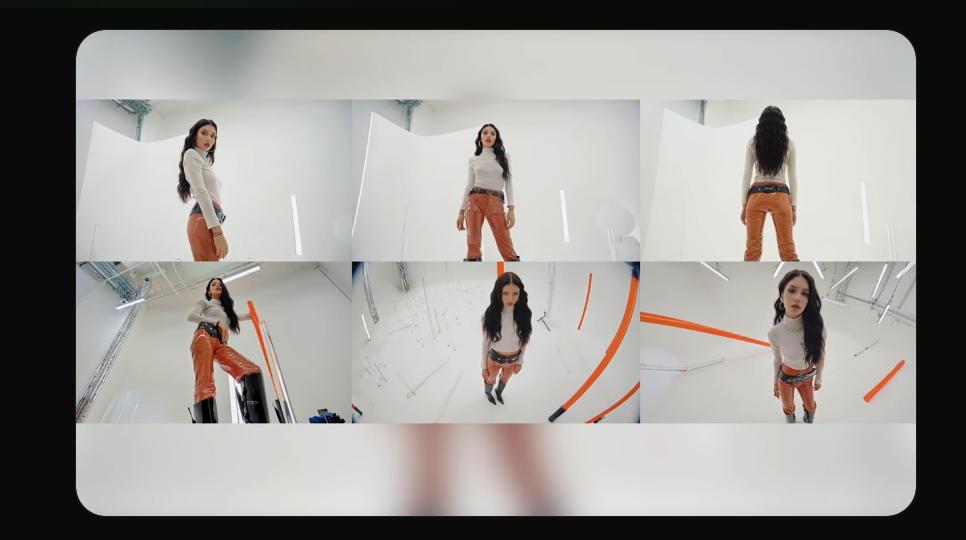
Switching between multiple applications often creates unnecessary complexity. Exporting files, converting formats, and rebuilding timelines consume valuable production time before creative work even begins. Kling AI brings generation and editing together within one connected workflow. Creators can generate videos from prompts, images, or references, then continue improving those videos using Kling VIDEO 3.0 Omni. Existing footage can be restyled, reframed, or extended, while Avatar, Lip Sync, and Video Extension expand creative possibilities even further. Because every stage remains inside one environment, projects move smoothly from concept to final delivery without disrupting the creative process.
Choosing Between Editing and Generation Depends on Your Goal
The better technology depends entirely on the creative objective. When an idea exists only in words or sketches, generation provides the fastest route to visual content. When footage already communicates most of the intended story, editing becomes the more practical choice because it protects existing work while improving specific details. Experienced creators often use both throughout the same production. They generate scenes that would otherwise require expensive filming and edit existing material whenever targeted improvements produce a stronger final result. Rather than competing technologies, AI generation and AI editing complement one another throughout the production cycle.
Conclusion
AI generation and AI editing solve different creative challenges, yet they become most powerful when used together. Generation creates original visual material from prompts, images, or references, while editing transforms existing footage through intelligent modifications that preserve valuable content. Understanding this distinction helps creators select the right workflow at every production stage instead of relying on one approach for every task. Kling AI combines both capabilities into a unified creative platform, allowing users to generate new videos, refine existing footage, extend scenes, and build polished productions with greater efficiency while keeping creative control in their own hands.