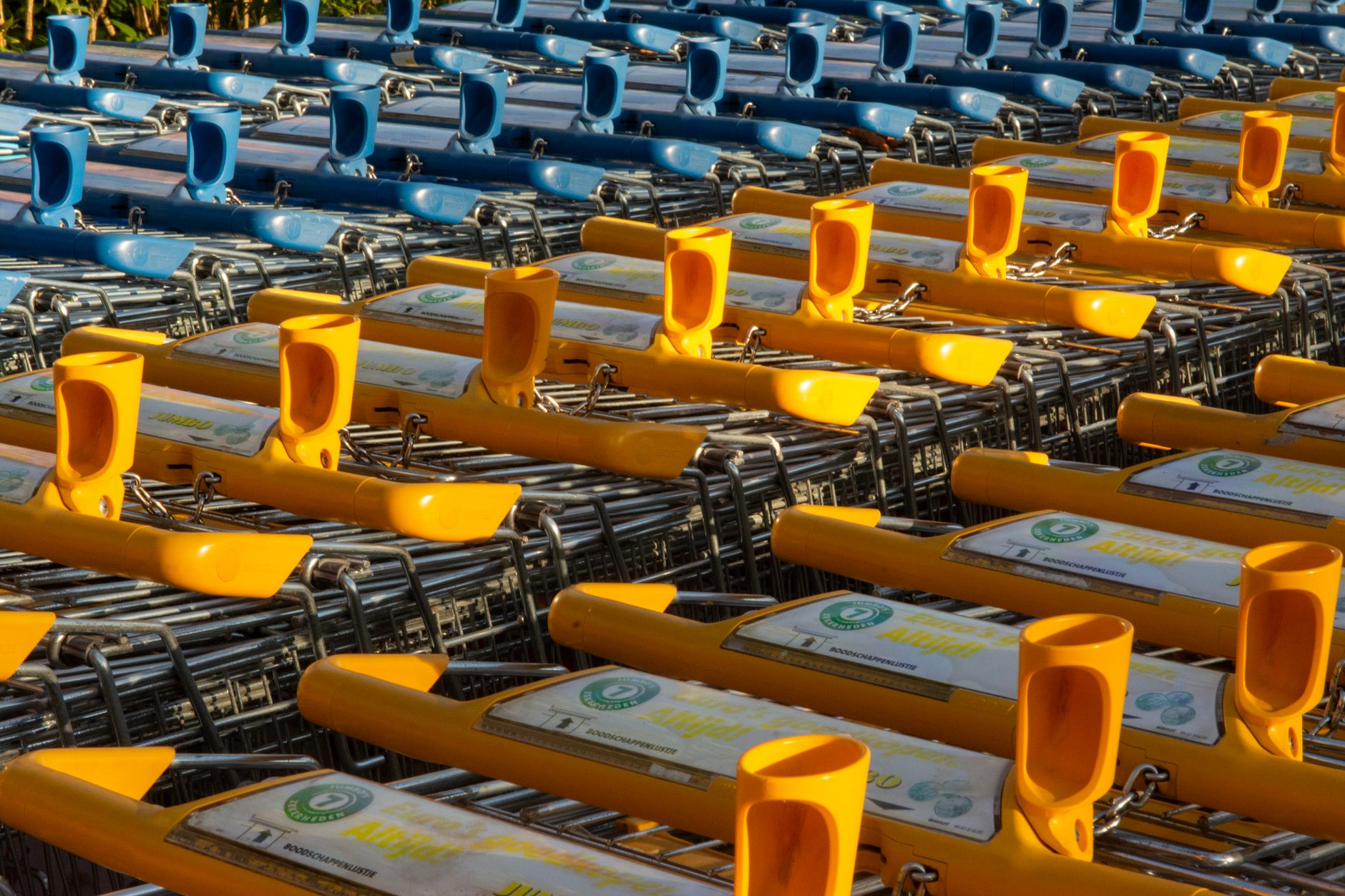
A grocery cart looks different every week on the surface, yet the items driving repeat trips barely change. A handful of staples account for a disproportionate share of what gets bought again and again, while everything else rotates around them. Understanding which items earn that repeat spot, and why, says more about shopping behavior than any single trip ever could.
What Actually Ends Up in a Repeat Shopping Cart?
Most repeat purchases cluster around a small set of predictable categories: fresh basics, household staples, and a handful of personal items that have earned a fixed spot in someone's routine. Nicotine salts fall into that same pattern for someone who already uses them regularly, alongside coffee, bread, and whatever other staples make up a person's baseline cart week to week.
That baseline tends to stay remarkably stable even as everything else in a cart shifts based on what's on sale, what's seasonal, or what a recipe that week happens to call for. The staples are the constant. Everything else is the variable.
What Does Actual Purchase Data Show About Repeat Buying?
Rather than relying on assumptions about what people buy repeatedly, it's worth looking at what tracked purchase data actually shows. Nielsen research tracking household purchases across a large panel found that fresh produce and a small set of everyday staples consistently topped the list of most frequently purchased items, ahead of almost everything else in the average cart.
That finding matters because it confirms something intuitive but rarely quantified: the items people buy most often aren't necessarily the ones marketing or new product launches focus on. They're the boring, reliable staples that rarely change and rarely need explaining.
Why Do These Particular Items Earn a Permanent Spot?
A few traits show up consistently in items that make it into someone's repeat cart.
|
Trait |
Why it drives repeat purchase |
|
Short shelf life |
Forces regular repurchase rather than stockpiling |
|
Daily or near-daily use |
Naturally high consumption rate |
|
Low substitution appeal |
Alternatives don't offer enough improvement to switch |
|
Established preference |
Prior satisfaction removes the need to re-evaluate |
That combination explains why a repeat cart tends to look boring compared to what gets featured in advertising. Staples don't need to be exciting to earn their place. They just need to be reliable enough that reconsidering them each week isn't worth the effort.
Does Shopping at Multiple Stores Change What Ends Up in the Repeat Cart?
Interestingly, tracked shopping behavior shows that many households don't buy their staples from a single store. Multi-store shopping is common, often driven by chasing specific deals or restocking an item unavailable at the usual store, but the core staple list itself tends to stay consistent regardless of where it's actually purchased.
That consistency across retailers reinforces the idea that repeat purchase behavior is really about the product and the habit, not the specific store relationship. A shopper loyal to a particular brand of coffee will often follow that brand across different stores rather than switching brands to stay loyal to one retailer.
What Does This Mean for How Shoppers Think About Their Own Cart?
Recognizing the shape of a repeat cart, small, stable, and largely unremarkable, can be useful for anyone trying to understand their own spending. The bulk of a grocery or household budget tends to go toward a short list of predictable items, while the more visible, discretionary purchases that vary week to week make up a smaller share of total spending than they might seem.
FAQ
What kinds of items tend to end up in a repeat shopping cart most often?
Fresh basics, household staples, and personal items with an established routine, like a preferred coffee or a regularly used personal product, tend to dominate repeat purchases. These items are typically boring but reliable, which is exactly why they earn a permanent spot.
Does purchase tracking data actually confirm what people buy most often?
Yes. Large-scale household purchase panels consistently show that a small number of everyday staples account for a disproportionate share of total purchase frequency, ahead of more heavily marketed or seasonal items.
Why do people buy the same staple items rather than trying alternatives?
Established preference removes the need to re-evaluate a purchase each time, and for many staples, the potential improvement from switching isn't worth the effort of comparing alternatives. This is especially true for low-cost, frequently purchased items.
Does shopping at multiple stores change what someone's staple cart looks like?
Generally, no. Even shoppers who visit multiple stores tend to keep the same core list of staple items, showing that the loyalty is often to the product and habit rather than to a specific retailer.