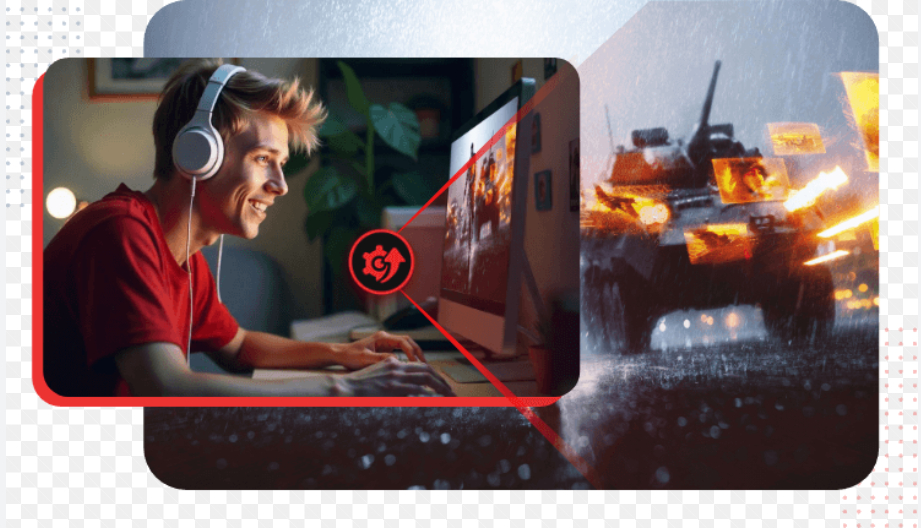
Keeping a PC in good condition requires more than cleaning files and removing unused programs. Drivers, gaming performance, and power requirements can all affect how well a computer works. Whether you are troubleshooting a slow game, planning a hardware upgrade, or building a new gaming PC, tools that help you update drivers free, perform an FPS test, and calculate power requirements with a PSU calculator can make the process easier.
Why Driver Updates Matter
Drivers allow Windows to communicate with hardware such as graphics cards, processors, network adapters, audio devices, and other components. Manufacturers regularly release new drivers to improve compatibility, fix bugs, and support newer applications and games.
Outdated drivers may sometimes contribute to:
- Game crashes
- Display problems
- Hardware compatibility issues
- Reduced performance
- Audio or network problems
- System instability
For gamers, graphics drivers are particularly important because new releases can include optimizations for recently launched games.
How to Update Drivers Free
Users who want to update drivers free have several options. Windows Update can automatically provide many supported driver updates, while hardware manufacturers often offer official driver packages for their products.
Before updating a driver, identify the exact hardware model and make sure the selected driver is compatible with your version of Windows. Graphics card users should pay particular attention to the manufacturer and model of their GPU.
It is also a good practice to create a restore point before making significant driver changes. If a new version causes an unexpected issue, having a recovery option can make troubleshooting easier.
Free driver update options can be useful for routine maintenance, but users should avoid downloading drivers from unfamiliar websites. Official manufacturer sources are generally the safest choice.
What Is an FPS Test?
FPS stands for frames per second. It describes how many individual frames a computer renders each second while running a game or graphical application.
An FPS test can help users understand how smoothly their system handles a particular game. Higher FPS generally produces smoother movement, but consistency is also important.
For example, a game that maintains a stable 60 FPS may feel better than one that occasionally reaches 100 FPS but frequently drops to 30 FPS.
An FPS test can help identify:
- Frame-rate drops
- GPU limitations
- CPU performance issues
- Overheating
- Background resource usage
- Graphics setting problems
How to Get Better FPS Results
Before performing an FPS test, close unnecessary applications running in the background. Make sure Windows and your graphics drivers are updated, then use consistent graphics settings and resolution.
Different settings can produce dramatically different results. Features such as shadows, reflections, anti-aliasing, and high-resolution textures can place additional demands on the GPU.
If your FPS is lower than expected, try reducing the most demanding settings one at a time. This can help identify which options have the greatest effect on performance.
Temperature is another important factor. If a CPU or GPU becomes too hot, it may reduce its operating speed to control temperatures, potentially causing performance drops.
Understanding a PSU Calculator
A power supply unit provides electricity to every component in a computer. Choosing the right PSU is especially important when building a gaming PC because modern graphics cards and processors can consume significant amounts of power.
A PSU calculator estimates the approximate power requirement of a system based on its hardware.
Depending on the calculator, you may enter:
- CPU model
- GPU model
- Motherboard
- RAM
- Storage drives
- Cooling fans
- USB devices
- Other components
The calculator then provides an estimated wattage requirement.
Why PSU Headroom Is Important
A PSU should not be selected solely according to the exact number produced by a calculator. Leaving some additional capacity can provide flexibility for temporary power fluctuations and future upgrades.
For example, if your system is estimated to require 550 watts, choosing a quality PSU with additional capacity may be more practical than selecting a unit rated exactly at 550 watts.
However, wattage isn't the only consideration. Efficiency, protections, connectors, build quality, and manufacturer reputation also matter. Always check the graphics card manufacturer's recommended PSU specifications before purchasing a power supply.
Using These Tools Together
The three tools serve different purposes but can be useful during the same PC upgrade process.
First, update drivers free using trusted Windows or manufacturer-provided options to make sure your hardware software is current. Next, perform an FPS test to understand how your existing PC performs in your favorite games.
If you are planning a hardware upgrade, use a PSU calculator to estimate the power requirements of the proposed configuration. This can help you determine whether your current power supply is suitable or whether an upgrade may be necessary.
Final Thoughts
Maintaining a gaming PC involves keeping both software and hardware in good condition. Choosing reliable ways to update drivers free can improve compatibility and stability, while an FPS test provides useful information about real-world gaming performance.
When upgrading or building a new system, a PSU calculator can help estimate the power required by your components. These tools should be used alongside official specifications and real-world testing rather than as the only source of information.
With regular maintenance, updated drivers, sensible performance testing, and appropriate power planning, you can create a more stable and reliable PC for gaming and everyday use.