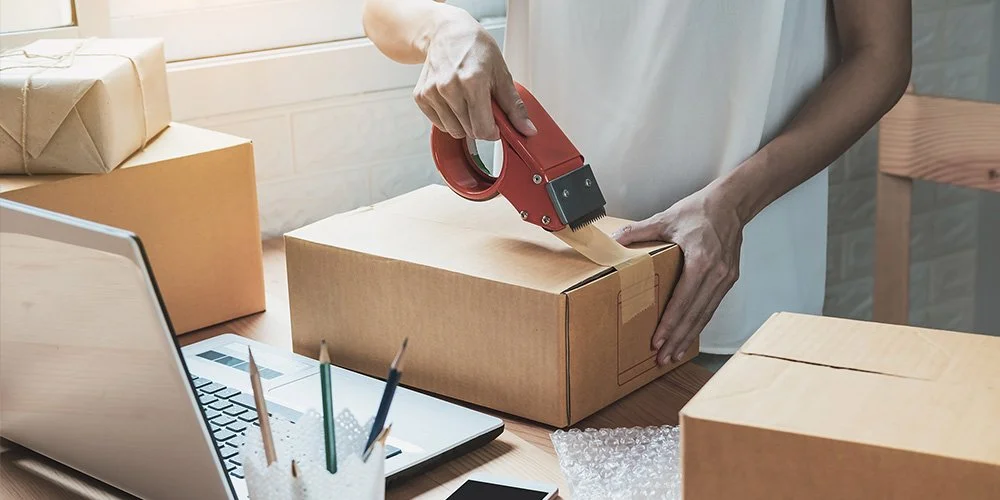
The process of packing electronics during a move is to be done with a lot of planning and attention to detail. Electronics are also not resistant to impact, change of temperature and ISO-static electricity, unlike other household products. A hurried or negligent attitude may result in broken equipment and replacements at high prices. By taking time to do the preparation, you will be in a good position to make sure that your prized equipment will reach your new home, and that it will work in the correct manner.
Preparing Devices
Disconnection and powering off of all cables Before packing any electronic device, one should make sure that everything is turned off. Always leave devices to cool after use as they may be hot making components more susceptible when packing. This action also lessens the probability of internal damage and makes it easier to handle during the moving process.
Another crucial step of preparation is cleaning your electronics. Unattended dust and debris may scratch surfaces or get into sensitive ports. Clean up with a soft cloth and suitable cleaning instruments to loosen up accumulation. This basic action will preserve your devices in a better state and avoid undesired particles in the future.
Organizing Components
Cables, remotes, and accessories can easily get lost during a relocation. To prevent this, you can group the items by the device and keep them in labeled bags/containers. It is much easier to assemble each set of components clearly so that when you reach your new destination, it is easy to reassemble them.
It can also save time by taking pictures of cable arrangements prior to the disconnection of the equipment. These reference pictures serve as an indicator in reconnecting all of it. In their absence, you might not recall the correct cable to place in the appropriate position, particularly when dealing with a complicated system such as home entertainment systems or desktop computers.
Choosing Packing Materials
Choosing the appropriate packing materials is also important in the safeguarding of electronics. Always use original boxes and inserts, which are device specific. In case those are not in place, heavy boxes with adequate padding can be used as a good substitute.
The bubble wrap, foam, and packing paper are used to protect fragile products and provide shock absorption during transportation. Do not use materials that produce static electricity, which can destroy internal parts. The packing supplies can also provide further assurance since a reputable Edmonton moving company can offer specific packing materials that are required in packaging fragile electronics.
Packing Techniques
When storing electronics in boxes, make sure that all the goods are properly supported and will not move during transportation. Make wraps one after another and stuff the empty places with cushioning material to avoid movement. When placed properly it minimizes the risk of impact damage due to abrupt stops or bumpers on the way.
The larger electronics are to be packed in smaller boxes so that it can be easily and safely lifted. Label every box fragile, and show the proper orientation, where needed. These precautions can assist the movers to be careful when handling your belongings and minimize the chances of accidents when loading and unloading.
Handling And Transport
Handling of electronics necessitates concern of both the environment and physical handling. Devices should not be exposed to extreme temperatures or moisture, as it can damage internal parts. It is always a good idea to store the electronics in a climate controlled environment during the move.
Also, it is advisable that you carry with you especially valuable or sensitive items as opposed to leaving them in the moving truck. This will enable you to track their safety and make sure that they are not exposed to entirely avoidable risks on the way.
Unpacking And Setup
After arriving at your new house, you should unload electronics carefully and check them on whether they are damaged or not. Keep them unplugged until they get to room temperature, particularly when the devices were in cold conditions before the move. This helps in avoiding condensation within the equipment.
When you pack your devices in well-organized ways, reconnecting them becomes easier. Use your labeled parts and reference photos to reassemble each setup effectively. The approach to this is to be patient and systematic, so that your electronics are ready to go without hassles in your new area.
Safely moving electronics requires more than just putting the things in boxes. It involves careful planning, right materials and handling in all stages of the process. By cleaning, organizing, and protecting each device, you decrease the chances of damage and make the process of moving to your new home a lot easier.