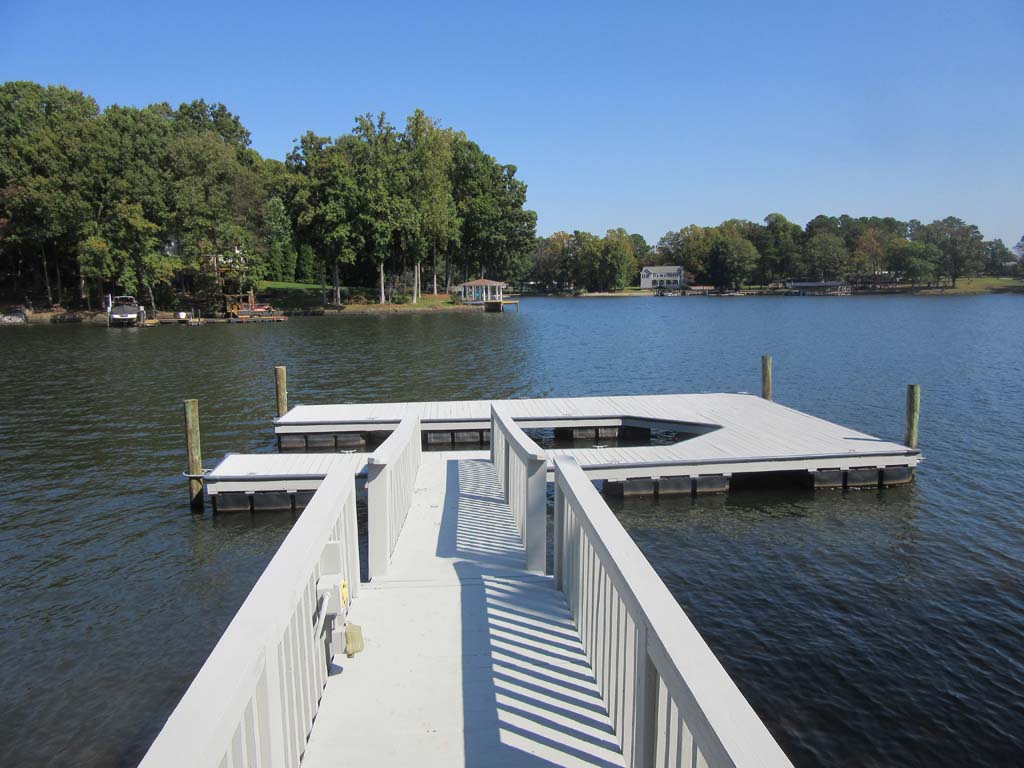
Renovating a dock layout is usually taken lightly because of straightforward repairs but it can significantly affect the utility, safety, and future value. A dock is not merely a permanent structure on water but an usable extension of a land that has to bear movement, storage, and access. In case renovation is already in progress, it is the most effective moment to reconsider the organization of the space and how it could be improved to meet the current and future requirements.
Efficiency Of Dock Utilization
The design of a dock has a direct impact on the ease with which people and equipment can pass over it. Without careful consideration of spacing and positioning, a structurally sound dock may end up being claustrophobic and uncomfortable to use. Renovate offers a chance to redesign routes, change the location of docks, and design a more logical flow of daily affairs.
A good design also aids in minimization of dead space and ease of access to various aspects of the waterfront. Users are able to walk more naturally between boarding areas, storage areas, and seating areas instead of maneuvering through awkward angles or crowded areas. This renders the dock more useful both to casual use and more active waterfront operations.
Effects On Day-To-Day Waterfront Operations
The daily usage of the waterfront is usually associated with swimming, boating, and relaxing, which require the ability to move easily and be clearly structured. An efficient design will make sure that these activities do not conflict with each other. As an illustration, the division of launching and recreational fields could be of great benefit to the entire experience.
Even smaller recreational additions like a kayak launch dock are well planned and placed in the overall design. When installed appropriately, it can provide safe and convenient water access without interfering with boat docking stations or pedestrian traffic. Such planning is best performed when renovating, as opposed to being an after-thought.
Layout Modifications To Enhance Safety
One of the most effective reasons to consider updating a dock layout during renovation is safety. Docks may also get overcrowded, or poorly organized, and this can lead to slips, falls, or user-user collisions. Redesign can provide new routes and more distinct walkways and isolate high activity areas.
Enhancing visibility throughout the dock is another key aspect. In an environment where sightlines are open and movement routes predictable, the user will not get into unforeseen hazards. This is particularly relevant in the busy waterfront settings where there can be more than one individual using the dock simultaneously.
Minimising Congestion And Risk Of Collision
When too many functions are crowded together in one area, congestion on a dock is likely to occur. Boats, seating, and access points may be competing in space resulting in un-safe conditions. The redistribution of these elements in a more balanced manner is enabled by a renovation.
Even equipment location contributes to risk reduction. To illustrate an example, the positioning of a hydraulic boat lift is installed, in an appropriately designed location that does not disrupt a zone of pedestrian passage. This division of roles minimizes the risk of unintentional contact and enhances the overall organization of docks.
Dock Equipment Planning.
The use of modern waterfronts usually needs more sophisticated equipment than the older dock layouts were meant to accommodate. Renovation provides an opportunity to incorporate these improvements in a manner that does not seem imposing. Early equipment planning provides an opportunity to properly support the weight added and operate the structure.
This is also a planning step that enables property owners to think outside the box. It is better to anticipate future upgrades or change of usage so as to prevent future repetitions of changes. The flexible layout would better suit changing waterfront lifestyle and technologies.
Reducing Maintenance Needs Through Better Design
An effective dock design can save a lot of long term maintenance costs. With an evenly distributed structural stress and a well-integrated traffic flow, the wear and tear in particular areas are reduced. The result of this is a reduction in the number of repairs and the total life of the dock is increased.
Correct spacing and alignment will also allow avoiding water damage and accumulation of debris in the areas of high use. Owners can also save time on maintenance and maximize on the waterfront environment by minimizing the strain on the structure that is not essential.
One of the most efficient methods of enhancing the functioning of a waterfront space on a daily basis is through the process of upgrading a dock layout during renovation. Although structural repairs, which provide a safe, stable dock, structural repairs help to restore the situation; however, a wise redesign provides the dock with the capacity to support the use of people who might use it. The enhanced flow of movement, demarcation of activities, and enhancement of equipment positioning are all meant to make the waterfront more useful and enjoyable.