Solar power systems are widely valued for their reliability, but even well-designed setups occasionally encounter performance problems. Output may drop unexpectedly, devices may stop charging, or monitoring apps may show confusing warnings. These situations often create unnecessary concern because many solar issues have simple explanations and straightforward fixes. Understanding how to diagnose common problems can prevent wasted time, avoid unnecessary service calls, and extend equipment lifespan. Just as importantly, knowing when a system is no longer worth repairing helps prevent ongoing frustration and repeated expenses. In this article, practical troubleshooting steps and upgrade considerations clarify how to respond when solar equipment does not behave as expected.
1. Quick Fixes to Try First
Check Inverter Lights and Error Codes
Inverter indicators are among the most useful diagnostic tools in any solar setup. Status lights and display messages typically communicate whether the system is operating normally, idling, or experiencing a fault. Many apparent failures result from easily correctable conditions such as grid disconnection, overheating, or temporary voltage irregularities. Consulting the inverter’s documentation often reveals that specific error codes correspond to minor, reversible issues rather than serious hardware damage. Restarting the inverter after verifying connections may restore normal operation without technical intervention. Careful observation of these visual cues frequently prevents unnecessary troubleshooting steps.
Clean Dirt or Debris Off Panels
Solar panels depend directly on sunlight exposure, making surface cleanliness more important than many users realize. Dust, pollen, bird droppings, and seasonal debris gradually reduce light absorption, sometimes causing noticeable output declines. Even thin layers of residue can interfere with energy production, particularly in dry or windy environments. Cleaning panels with appropriate tools and gentle methods often restores performance quickly and safely. Regular inspection helps detect buildup before efficiency losses become significant. Simple maintenance routines frequently resolve what initially appears to be a technical malfunction.
Trim Trees Causing New Shade
Shading is a leading cause of unexpected solar performance changes. Trees that once posed no obstruction may gradually expand, blocking sunlight during critical hours of the day. Partial shading can affect entire panel strings, amplifying power losses beyond the visibly shaded area. Observing system behavior across different times of day helps identify whether shadows are contributing to reduced generation. Strategic trimming or repositioning often restores consistent exposure and stabilizes output. Addressing shading early prevents long-term energy losses and misdiagnosis of equipment problems.
2.When Repairs Stop Making Sense
Frequent Inverter Failures Add Up
Repeated inverter problems can signal deeper system challenges rather than isolated defects. While individual repairs may seem manageable, cumulative service costs often exceed expectations over time. Downtime between failures also reduces system value, particularly when solar supports essential household needs. Aging electronics typically become more vulnerable to heat stress and component degradation. Persistent malfunctions may indicate that replacement is more economical than ongoing maintenance. Recognizing this tipping point helps prevent recurring inconvenience and escalating expenses.
Panels Over 10 Years Lose Efficiency
Solar panels naturally experience gradual efficiency declines as materials age and exposure accumulates. Although degradation rates vary, older panels typically produce less energy than their original ratings suggest. Reduced output may become noticeable when household energy demands remain stable or increase. Technological advancements also mean newer panels often deliver higher performance within similar physical footprints. Comparing expected versus actual production helps clarify whether aging contributes meaningfully to system limitations. In some cases, modernization provides more practical benefits than piecemeal repairs.
Replacement Parts Get Harder to Find
Component availability often becomes a hidden challenge as systems age. Manufacturers may discontinue specific models, making compatible replacement parts increasingly scarce. Delays and sourcing difficulties can extend repair timelines and raise costs. Compatibility constraints may also limit upgrade options within older system architectures. When parts become difficult or uneconomical to obtain, system reliability suffers regardless of maintenance efforts. This reality frequently motivates consideration of alternative solutions rather than continued repair attempts.
3.The Portable Solar Alternative
Skip Roof Work and Permits Entirely
Portable solar systems eliminate many logistical barriers associated with traditional installations. Without roof mounting requirements, users avoid structural modifications, contractor scheduling, and extended project timelines. Setup typically involves positioning panels and connecting devices or storage units directly. This simplicity reduces both upfront complexity and long-term constraints. Portable configurations also enable easy relocation as energy needs change. For many households, accessibility and flexibility significantly enhance usability.
Take Your System Camping or Moving
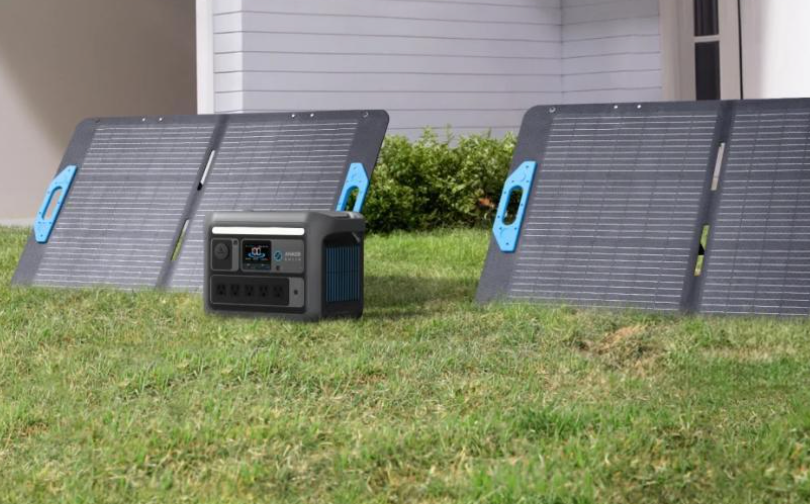
Mobility represents one of portable solar’s most practical advantages. Equipment can operate in backyards, during travel, or at temporary locations without specialized infrastructure. Solutions such as Anker Solar Panels are often selected for their compact designs and integrated outputs, allowing devices to draw energy through a solar powered outlet rather than fixed wiring. This adaptability supports activities ranging from outdoor recreation to relocation between residences. Lightweight construction simplifies transport while preserving meaningful generation capability. Portable systems frequently transform solar from a fixed asset into a versatile daily resource.
Add Panels As Budget Allows
Scalability makes portable solar particularly attractive for gradual adoption. Users can begin with modest configurations that address essential charging or backup needs. Additional panels may be integrated later to expand capacity without replacing the entire system. This modular approach reduces financial pressure while preserving future flexibility. Incremental upgrades align well with evolving energy usage patterns. Over time, small expansions can deliver substantial functional improvements.
4.Match Solution to Your Situation
Minor Issues? Repair and Keep
Not all solar problems justify major changes or replacements. Isolated performance drops often stem from maintenance gaps, temporary shading, or easily corrected configuration errors. Addressing these factors typically restores expected behavior quickly. Retaining functional equipment avoids unnecessary expenses and disruption. Regular inspection and preventive care further stabilize long-term output. Practical troubleshooting helps distinguish between normal variability and genuine faults.
Recurring Problems? Consider Upgrade
Persistent issues, repeated repairs, or declining output frequently indicate structural limitations rather than temporary disruptions. Continuing to invest in aging equipment may produce diminishing returns. Modern alternatives often deliver improved efficiency, reliability, and convenience. Portable systems, in particular, provide flexibility that older installations may lack. Evaluating long-term costs rather than isolated repair expenses clarifies decision-making. Strategic upgrades often reduce frustration while improving everyday usability.
Conclusion
Solar panel troubleshooting benefits from a measured, systematic approach that prioritizes simple explanations before complex assumptions. Many performance concerns originate from easily reversible conditions such as shading, dirt accumulation, or temporary system states. At the same time, aging equipment introduces challenges that maintenance alone cannot always resolve. Recognizing when repairs lose practicality prevents recurring costs and operational uncertainty. Portable solar alternatives offer compelling advantages for users seeking flexibility and simplified operation. Thoughtful evaluation of system behavior, expenses, and lifestyle needs ultimately leads to more reliable and satisfying energy solutions.